Category: Nearshore Manufacturing

  • The Role of Manufacturing Clusters: Why Tijuana’s Ecosystem Matters

    The Role of Manufacturing Clusters: Why Tijuana’s Ecosystem Matters

    Manufacturing decisions are rarely made in isolation. Location, talent, infrastructure, and supply chain access all play a critical role in long term success. Over the past several decades, Tijuana has emerged as one of the most influential manufacturing hubs in North America. Its growth is not accidental. It is the result of a tightly connected manufacturing ecosystem that supports efficiency, scalability, and quality across multiple industries.

    For companies exploring contract manufacturing options, understanding why Tijuana’s manufacturing cluster works so well can help clarify why the region continues to attract global brands. From medical devices and electronics to consumer goods and industrial components, Tijuana offers a unique combination of resources that are difficult to replicate elsewhere.

    What Is a Manufacturing Cluster and Why It Matters

    A manufacturing cluster is a geographic concentration of interconnected manufacturers, suppliers, service providers, and skilled labor. These clusters create efficiencies that individual facilities cannot achieve on their own. When companies operate within a cluster, they benefit from shared infrastructure, faster supply chains, and a workforce that is trained specifically for the industries present in the region.

    Tijuana is a prime example of how manufacturing clusters drive performance. Instead of relying on long, fragmented supply chains, manufacturers can source materials, components, and services locally. This reduces lead times, improves communication, and lowers transportation costs. It also allows companies to respond more quickly to changes in demand or design requirements.

    For businesses seeking contract manufacturing solutions, a strong cluster means fewer risks and more predictable outcomes. Processes are refined, vendors are experienced, and regulatory expectations are well understood across the ecosystem.

    Why Tijuana Became a Manufacturing Powerhouse

    Tijuana’s rise as a manufacturing hub is closely tied to its strategic location. Situated just south of the United States border, the city provides direct access to major US markets while maintaining cost efficiencies associated with manufacturing in Mexico. This proximity supports nearshoring strategies that prioritize speed, flexibility, and supply chain resilience.

    Over time, global manufacturers established operations in the region, attracting suppliers, logistics providers, and technical talent. As more companies invested, the ecosystem matured. Today, Tijuana is home to thousands of manufacturing facilities, many of which specialize in highly regulated and technically demanding products.

    The region has also benefited from decades of cross border collaboration. Engineering standards, quality systems, and production methodologies often align closely with US requirements. This makes it easier for companies to maintain consistency across operations while taking advantage of regional efficiencies.

    Skilled Workforce and Specialized Talent

    One of the strongest advantages of Tijuana’s manufacturing ecosystem is its workforce. The region offers a deep pool of skilled technicians, engineers, and production professionals with experience across multiple industries. Many workers build long term careers within manufacturing, developing expertise that directly benefits product quality and operational stability.

    Technical schools and universities in the region support this talent pipeline by focusing on engineering, manufacturing processes, and quality systems. As a result, companies operating in Tijuana have access to professionals who understand lean manufacturing, regulatory compliance, and continuous improvement.

    For contract manufacturing partners, this depth of talent translates into faster onboarding, fewer errors, and stronger collaboration. Teams are familiar with complex assemblies, precision processes, and documentation requirements, reducing the learning curve for new projects.

    Integrated Supply Chains and Local Sourcing

    Manufacturing clusters thrive when suppliers are nearby, and Tijuana excels in this area. The region supports a dense network of component suppliers, tooling shops, packaging providers, and testing services. This integration allows manufacturers to source critical inputs locally rather than relying on overseas shipments.

    Shorter supply chains improve reliability and reduce exposure to global disruptions. When design changes or production adjustments are needed, local suppliers can respond quickly. This agility is especially valuable for companies operating in fast moving or regulated markets.

    For businesses exploring contract manufacturing, Tijuana’s integrated supply chain reduces complexity. Fewer handoffs mean better quality control and clearer accountability throughout the production process.

    Infrastructure That Supports Scale and Speed

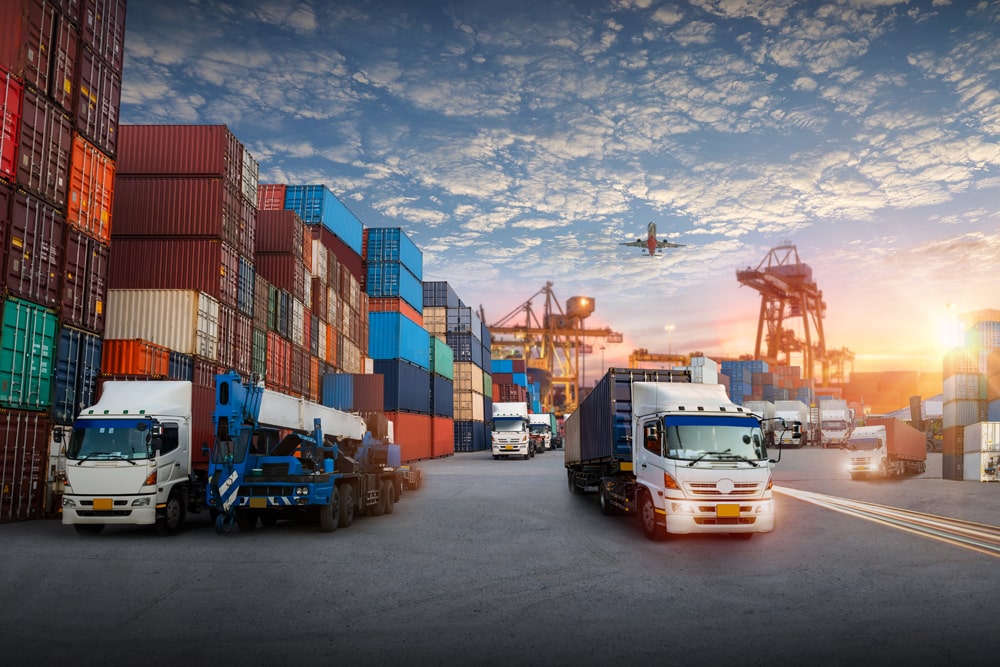
    Tijuana’s manufacturing ecosystem is supported by robust infrastructure designed to handle high volume production and cross border trade. Modern industrial parks offer facilities equipped with advanced utilities, security, and logistics access. Transportation networks connect manufacturers to ports, highways, and border crossings that facilitate efficient distribution.

    Customs expertise is another critical component of the ecosystem. Companies in the region are experienced in managing cross border compliance, documentation, and logistics. This reduces delays and ensures products move smoothly into US and global markets.

    For organizations relying on contract manufacturing, this infrastructure enables scalability. Production can increase or adjust without requiring a complete overhaul of logistics or vendor relationships.

    Quality Systems and Regulatory Experience

    Many of the industries operating in Tijuana require strict adherence to quality and regulatory standards. Medical devices, aerospace components, and electronics manufacturing demand rigorous documentation and process controls. Over time, the region has developed deep expertise in meeting these expectations.

    Manufacturers in Tijuana often operate under internationally recognized quality systems and are accustomed to audits from global customers. This shared understanding of compliance strengthens the ecosystem and builds trust between partners.

    Companies seeking contract manufacturing solutions benefit from this environment. They gain access to facilities and teams that already understand regulatory requirements, reducing risk and accelerating time to market.

    Cost Efficiency Without Compromising Control

    While cost savings are often a motivating factor for nearshoring, Tijuana’s value extends beyond labor costs. The true advantage lies in the balance between efficiency and control. Proximity to the United States allows for easier oversight, frequent site visits, and real time collaboration.

    This level of access supports stronger partnerships between companies and their manufacturing teams. Issues can be addressed quickly, and decisions can be made collaboratively rather than across distant time zones.

    When paired with contract manufacturing, this balance allows businesses to remain agile while maintaining visibility into their production processes.

    How Manufacturing Clusters Reduce Risk

    Supply chain disruptions, labor shortages, and regulatory challenges can create significant risks for manufacturers. Tijuana’s cluster model helps mitigate these risks by providing redundancy, experience, and adaptability.

    If a supplier faces an issue, alternatives are often available within the region. If demand changes, manufacturers can adjust production more easily due to shared resources and expertise. This resilience is a key reason why many companies view Tijuana as a long term manufacturing solution rather than a temporary cost strategy.

    For businesses evaluating contract manufacturing, operating within a strong cluster reduces dependency on any single point of failure.

    Why Tijuana’s Ecosystem Matters for Contract Manufacturing

    Choosing a location for contract manufacturing is about more than finding a factory. It is about selecting an ecosystem that supports growth, quality, and long term stability. Tijuana offers an environment where manufacturers, suppliers, and service providers work together to create consistent results.

    By leveraging contract manufacturing within this ecosystem, companies can streamline operations, reduce risk, and improve speed to market. The region’s experience, infrastructure, and talent make it an attractive option for businesses across industries.

    Why Tijuana’s Manufacturing Ecosystem Sets the Standard

    Tijuana’s manufacturing cluster is a powerful example of how location and collaboration drive success. Its ecosystem supports efficiency, quality, and resilience in ways that benefit companies seeking reliable manufacturing partners. For organizations considering contract manufacturing, understanding the value of Tijuana’s interconnected network can help inform smarter, more strategic decisions.

    Frequently Asked Questions About Contract Manufacturing

    Why is Tijuana popular for contract manufacturing?

    Tijuana offers proximity to the United States, a skilled workforce, and a mature manufacturing ecosystem. These factors combine to support efficient production and strong quality control.

    What industries benefit most from Tijuana’s manufacturing cluster?

    Industries such as medical devices, electronics, aerospace, and consumer products benefit from the region’s regulatory experience and integrated supply chains.

    At Coastline International, we help companies navigate cross border manufacturing with confidence. Our team supports businesses seeking efficient, scalable solutions within established manufacturing ecosystems. Contact us today to learn more about how we can support your goals. 
  • The Nearshoring Shift: From Crisis Response to Competitive Advantage

    The Nearshoring Shift: From Crisis Response to Competitive Advantage

    As global supply chains continue to evolve, the manufacturing landscape is experiencing one of its most significant transformations in decades: the Nearshoring shift. What began as a crisis response to supply disruptions has now become a strategic move for companies seeking speed, stability, and cost efficiency. By bringing production closer to home, original equipment manufacturers (OEMs) are gaining more control, improving logistics, and positioning themselves to compete more effectively in a volatile market.

    At Coastline International, we’ve seen firsthand how the Nearshoring shift has become a lasting competitive advantage for companies that value quality, responsiveness, and operational resilience. With over 40 years of experience manufacturing in Tijuana, Mexico, our partnerships demonstrate the long-term value of nearshore manufacturing within North America.

    The Evolution of the Nearshoring Shift

    In recent years, global events from COVID pandemic to supply chain bottlenecks to rising overseas labor and shipping costs have reshaped how companies approach manufacturing strategy. During these disruptions, many OEMs sought alternatives to long-distance offshoring, leading to an accelerated Nearshoring shift toward Mexico and other nearby countries.

    Unlike traditional offshoring, which moves production to distant regions like Asia, nearshoring focuses on relocating manufacturing to a nearby country, such as Mexico for U.S.-based companies. This proximity reduces transportation times, mitigates risk, and offers a more agile response to market demands. Today, nearshoring is no longer a short-term solution but a proactive strategy for companies committed to balancing cost, quality, and reliability.

    The current changes in tariff policies has brought upon a whole new complexity to international manufacturing and global trade.  Strategic advantages of Mexico manufacturing allow for many options to reduce or eliminate tariffs through trade agreement compliance and strategic sourcing.

    Why Mexico Leads the Nearshoring Advantage

    Mexico has become a leading hub for nearshore manufacturing, particularly in sectors that demand precision, compliance, and speed. The country’s combination of skilled labor, favorable trade policies under USMCA, and efficient logistics networks makes it ideal for manufacturers looking to strengthen their North American operations.

    In Tijuana alone, there is a thriving base of medical device, electronics, and aerospace manufacturers supported by modern facilities and a highly trained workforce. According to regional data, Tijuana hosts the largest concentration of medical device manufacturing employment in North America. This ecosystem allows companies to scale production quickly while maintaining the high quality and regulatory standards expected in U.S. and international markets.

    At Coastline International, we operate over 65,000 square feet of modern manufacturing space, including ISO Class 8 clean rooms and FDA-registered facilities. Our certifications (ISO 13485:2016 and ISO 9001:2015) underscore our commitment to precision and quality in every product we deliver.

    From Crisis Response to Strategic Growth

    The Nearshoring shift began as a response to global uncertainty, but it has evolved into a growth strategy that empowers companies to operate with greater speed and flexibility. By outsourcing production to a trusted nearshore partner, OEMs can focus on innovation, product development, and customer engagement rather than managing distant operations.

    At Coastline International, we help clients streamline their manufacturing processes through flexible production models, shelter services, and contract manufacturing options. This allows companies to reduce capital investments in facilities while maintaining full control over their products and intellectual property. The result is faster speed-to-market, reduced risk, and the agility to scale production as business needs change.

    The Competitive Benefits of Partnering Nearshore

    Manufacturing in Tijuana offers unique advantages beyond cost savings. Companies that make the Nearshoring shift often see improvements across every stage of their production cycle:

    • Reduced freight and transportation time: Products reach North American markets faster and more predictably.
    • Lower overall costs: Labor and logistics efficiencies can reduce total expenses by 30% or more.
    • Improved communication: Shared time zones and cultural alignment streamline collaboration.
    • Regulatory confidence: USMCA ensures smooth trade between the U.S., Mexico, and Canada.
    • Quality assurance: Working with an experienced partner ensures consistent standards and compliance.

    These benefits translate into stronger supply chains and greater competitive positioning, especially for OEMs in industries where timing and precision are essential.

    How Coastline International Supports the Nearshoring Shift

    As a U.S. corporation with over three decades of manufacturing experience in Tijuana, Mexico, Coastline International provides a seamless path for companies looking to transition to or expand nearshore operations. We combine American business practices with the cost advantages of Mexican production to deliver unmatched dependability and service.

    Whether you’re seeking full contract manufacturing or shelter services, our team ensures compliance, efficiency, and on-time delivery every step of the way.

    Frequently Asked Questions About Nearshore Manufacturing

    What industries benefit most from the Nearshoring shift?

    Industries with complex regulatory requirements or high logistics costs, such as medical devices, electronics, aerospace, and consumer goods, see the most significant benefits. These sectors depend on precision, reliability, and consistent communication, all of which are enhanced through nearshore partnerships.

    How does nearshoring affect supply chain risk?

    Nearshoring minimizes disruptions by shortening supply routes, reducing dependence on overseas suppliers, and providing quicker access to manufacturing partners. It gives OEMs the flexibility to adjust to demand changes, supply shortages, or market shifts with minimal delay.

    At Coastline International, we’ve been helping companies manufacture with confidence since 1982. With a proven track record in medical, electronics, aerospace, and consumer goods production, our team delivers high-quality manufacturing solutions from Tijuana, Mexico. Contact us today to learn more about how we can support your business goals. 

  • Supply Chain Consolidation: The New Norm for MedTech OEMs

    Supply Chain Consolidation: The New Norm for MedTech OEMs

    The landscape for medical technology original equipment manufacturers (OEMs) is undergoing a significant transformation. For years, the prevailing strategy involved diversifying suppliers across multiple regions to mitigate risk. However, recent global disruptions have exposed the vulnerabilities and inefficiencies inherent in complex, fragmented supply chains. In response, a new strategic imperative has emerged: supply chain consolidation. This approach involves strategically reducing the number of suppliers and centralizing manufacturing and procurement activities with a few trusted partners. For MedTech OEMs, this shift is not just a trend but a fundamental rethinking of how to build resilience, enhance quality, and drive cost-efficiency in a competitive market.

    By partnering with a smaller group of highly capable, vertically integrated suppliers, OEMs can achieve greater control and visibility over their entire production process. This consolidation enables more profound, collaborative relationships, moving from a purely transactional dynamic to a strategic partnership. A consolidated model simplifies communication, streamlines logistics, and aligns quality standards, which is paramount in the highly regulated medical device industry. The focus is no longer on simply sourcing components at the lowest price but on creating a robust, agile, and transparent supply chain that can withstand volatility while consistently delivering high-quality products. This strategic pivot is becoming the new norm for forward-thinking MedTech companies aiming to secure their market position and drive long-term growth.

    Enhancing Quality Control and Regulatory Compliance

    In the medical device manufacturing sector, quality is not negotiable. Adherence to stringent regulatory standards, such as those set by the FDA and ISO 13485, is essential for market access and patient safety. A fragmented supply chain with numerous vendors introduces significant complexities in maintaining consistent quality control and ensuring compliance across the board. Each new supplier adds another layer of audits, documentation, and potential for deviation from established standards. This increases the administrative burden and elevates the risk of non-compliance, which can lead to costly product recalls, legal liabilities, and irreparable damage to a brand’s reputation. Managing a large network of suppliers makes it difficult to ensure every component and process meets the rigorous specifications required for medical devices.

    Consolidating the supply chain with a certified manufacturing partner directly addresses these challenges. When an OEM works with a single, ISO 13485-certified manufacturer that has a robust Quality Management System (QMS), it centralizes accountability. This partner takes responsibility for managing and vetting downstream suppliers, ensuring that every element of the supply chain adheres to the same high standards. This streamlined approach provides OEMs with a single point of contact for quality assurance, simplifying oversight and reducing the risk of regulatory infractions. A consolidated partner with expertise in medical device manufacturing can manage everything from component sourcing and production to final assembly and packaging, providing complete traceability and a unified commitment to quality that is difficult to achieve with a dispersed supplier base.

    Achieving Greater Cost-Efficiency and Operational Agility

    While a diverse supplier network was once thought to foster price competition and reduce costs, it often leads to hidden expenses that erode margins. Managing numerous vendors involves significant transactional overhead, including costs associated with contract negotiation, communication, quality audits, and complex logistics. Shipping components from multiple locations to an assembly point increases transportation expenses and lead times, creating inefficiencies throughout the production cycle. Furthermore, a fragmented supply chain limits an OEM’s ability to leverage volume discounts, as purchase orders are spread thinly across many different suppliers. These accumulated soft and hard costs can negate any perceived savings from sourcing individual components at the lowest possible price.

    Supply chain consolidation offers a direct path to greater cost-efficiency and improved operational performance. By channeling a larger volume of business through a single, vertically integrated manufacturing partner, OEMs can unlock significant economies of scale, leading to better pricing on materials and production. A strategic partner located in a nearshore location, such as Mexico, can further amplify these savings through benefits like those afforded by the USMCA free trade agreement, which eliminates tariffs on qualifying goods. Consolidation also drastically reduces administrative and logistical overhead. With fewer relationships to manage and a simplified inbound logistics network, OEMs can free up internal resources to focus on their core competencies, such as research and development and marketing. This leaner, more agile operational model not only lowers costs but also shortens production cycles, enabling companies to respond more quickly to market demands and changes.

    A Strategic Partnership for Future Growth

    For MedTech OEMs, shifting from a sprawling network of suppliers to a consolidated model is more than a cost-saving measure; it is a strategic decision that builds a foundation for sustainable growth and resilience. A centralized supply chain managed by a trusted partner enhances quality assurance, simplifies regulatory compliance, and creates significant operational efficiencies. By entrusting manufacturing to an expert partner, OEMs can mitigate risks associated with global disruptions and focus their resources on innovation and core business objectives. This collaborative approach fosters a stronger, more transparent relationship that aligns goals and drives mutual success, positioning MedTech companies to thrive in an increasingly complex global market.

    Frequently Asked Questions About Supply Chain Consolidation

    What are the primary risks of not consolidating a MedTech supply chain?

    Failing to consolidate can expose a MedTech OEM to several significant risks. These include inconsistent quality control across multiple suppliers, which can lead to regulatory non-compliance and product recalls. A fragmented supply chain also has more points of failure, making it more vulnerable to disruptions from geopolitical events or logistical breakdowns. Furthermore, managing numerous vendors increases administrative overhead and can lead to higher overall costs due to inefficient logistics and an inability to leverage volume-based pricing.

    How does supply chain consolidation improve product time-to-market?

    Consolidation significantly accelerates time-to-market by streamlining the entire production process. Working with a single, vertically integrated partner reduces communication delays and simplifies coordination between different manufacturing stages, from component sourcing to final assembly. This eliminates the logistical complexities of shipping parts from multiple suppliers to a central point. A consolidated partner can optimize the production workflow, shortening lead times and enabling a faster, more agile response to market demand, allowing OEMs to get their products into the hands of healthcare providers more quickly.

    At Coastline International, we specialize in providing world-class nearshore medical device and electronics manufacturing services for OEMs. As an FDA-registered and ISO 13485 & 9001 certified partner, we build lasting relationships by delivering superior quality and cost-efficiency from our facilities in Mexico. To learn how we can become an extension of your manufacturing operations, please contact us online or call us at 888-748-7177.

  • The Benefits of Cross-Border Manufacturing for Expanding Your Business

    The Benefits of Cross-Border Manufacturing for Expanding Your Business

    Expanding your business in today’s competitive market often requires innovative strategies to stay ahead. One of the most effective ways to achieve cost savings, improve efficiency, and access new opportunities is by adopting cross-border manufacturing practices. Leveraging the proximity and trade agreements like the United States-Mexico-Canada Agreement (USMCA) positions businesses for growth while optimizing operational costs. This article explores the advantages of cross-border manufacturing and highlights its role in supporting your business expansion.

    Why Cross-Border Manufacturing Makes Sense

    Cross-border manufacturing, particularly between the United States and Mexico, offers numerous benefits for businesses looking to expand. It harnesses the strengths of each country, creating a seamless collaboration for manufacturing needs. Here’s why cross-border manufacturing stands out:

    • Cost Efficiency

    Nearshore manufacturing in Mexico provides significant labor and operational cost savings compared to domestic production. Mexico offers skilled labor at competitive rates, enabling businesses to reduce overhead while maintaining quality standards.

    • Enhanced Supply Chain Management

    Proximity to the United States reduces shipping times and logistics costs. Faster turnaround times and localized production allow companies to maintain lean inventories and respond swiftly to market demands.

    • Free Trade Benefits Under USMCA

    The USMCA enhances cross-border trade by eliminating significant tariffs and simplifying regulatory requirements. Businesses outsourcing to Mexico benefit from reduced trade barriers, making cross-border partnerships more profitable than overseas alternatives.

    These advantages are why many organizations prioritize Mexico as a strategic hub for production, specifically in industries like medical device manufacturing, electronics, and more.

    How USMCA Supports Business Growth 

    The implementation of the USMCA marked a pivotal development in North American trade. Replacing NAFTA, this agreement reinforces economic collaboration and levels the playing field, creating practical opportunities for manufacturers and exporters. Here are key benefits of the USMCA that can help your business thrive:

    • Reduced Tariffs

    Under the USMCA, products meeting specific regional content requirements can cross the borders of Canada, Mexico, and the United States without incurring tariffs. For manufacturing companies, these savings directly impact production costs, allowing competitive product pricing in global markets.

    • Simplified Trade Processes

    Streamlined customs procedures under the agreement allow for smoother cross-border operations. This not only reduces administrative hurdles but also accelerates time-to-market for finished products.

    • Support for Innovative Sectors

    The USMCA includes provisions that foster growth in high-tech and advanced manufacturing industries. For instance, intellectual property protections ensure that businesses outsourcing tasks feel secure sharing proprietary knowledge.

    By collaborating with trusted partners specializing in contract manufacturing in Mexico, businesses can maximize these benefits. Notably, industries with high value or regulatory standards, such as medical device manufacturing or electronics assembly, benefit greatly from partnerships facilitated by this agreement.

    FAQs About Cross-Border Manufacturing 

    Q1. Is outsourcing to Mexico a reliable option for maintaining manufacturing quality?

    A1. Absolutely. Mexico is renowned for its skilled workforce and dedication to high-quality production standards. Many leading manufacturers, particularly in the medical device and electronics sectors, have established long-term partnerships with Mexican firms to achieve reliable outcomes. Partnering with experienced providers like Coastline International ensures compliance with specialized industry standards.

    Q2. How does USMCA specifically impact cross-border manufacturing?

    A2. The USMCA simplifies and reduces the costs associated with cross-border trade by eliminating tariffs on most products that meet origin requirements. It also serves as a safeguard against trade-related uncertainties, enabling businesses to create long-term strategies confidently. For industries reliant on efficient supply chains, such as electronics or pharmaceuticals, this is a crucial advantage.

    Make Cross-Border Manufacturing Part of Your Business Strategy

    Cross-border manufacturing offers a wealth of opportunities for companies seeking to optimize operations and expand their footprint. By taking advantage of cost savings, proximity, and free trade agreements like the USMCA, businesses can not only enhance profitability but also establish a strategic edge in their markets. If you’re considering outsourcing production or transitioning your operations to benefit from nearshoring, Mexico offers an unparalleled combination of benefits.

    Coastline International specializes in nearshore manufacturing solutions, offering expertise in medical device, biotech, and electronics production. With several hundred skilled employees and over four decades of experience, we are a trusted partner for global OEMs striving for cost-effective and quality-driven results. Contact us online or by phone at (888) 748-7177 for personalized assistance. 

  • Why More Companies Are Choosing Mexico for Their Manufacturing Needs

    Why More Companies Are Choosing Mexico for Their Manufacturing Needs

    The global business landscape is evolving, and companies are constantly seeking efficient ways to stay competitive. One trend that has gained significant traction is outsourcing manufacturing to Mexico. With its skilled labor force, cost-effective production, and proximity to the United States, Mexico has rapidly become a preferred choice for contract manufacturing. Understanding these advantages can help businesses make informed decisions to optimize their operations.

    Cost Benefits of Manufacturing in Mexico 

    One of the primary reasons companies are drawn to Mexico is the significant cost savings. Manufacturing in Mexico allows businesses to access a highly skilled yet affordable labor force. With wage rates considerably lower than in the United States, organizations can reduce production costs without compromising quality.

    Additionally, the United States-Mexico-Canada Agreement (USMCA) provides favorable trade conditions, eliminating tariffs on many goods and enabling seamless cross-border trade. Businesses save on duties and taxes, making nearshore manufacturing in Mexico exceptionally cost-effective compared to other regions.

    Skilled Workforce

    Mexico boasts a well-trained workforce skilled in industries such as electronics, medical device manufacturing, and consumer goods. Many manufacturing workers in Mexico receive specialized training, ensuring high levels of precision and quality across various industries.

    Proximity Advantages 

    Proximity is another crucial advantage. Mexico’s close distance to the United States reduces transit times and shipping costs compared to offshore locations such as Asia. With facilities like Coastline International’s Tijuana plant located near multiple ports of entry and international seaports, companies gain strategic flexibility and improve their speed-to-market.

    A Strategic Choice for Growth 

    The combination of cost savings, skilled labor, and logistical advantages makes Mexico an ideal location for contract manufacturing. By partnering with companies like Coastline International, businesses can scale operations, reduce production challenges, and focus more on innovation and growth. Mexico’s manufacturing appeal is more than a trend; it’s a strategic solution driving efficiency and profitability.

    Frequently Asked Questions About Contract Manufacturing in Mexico 

    What industries benefit most from contract manufacturing in Mexico? 

    Mexico’s skilled workforce and manufacturing capabilities make it an excellent choice for a variety of industries including medical devices, electronics, consumer goods, and even aerospace. Companies in these sectors can benefit from reduced production costs, improved logistics, and high-quality output.

    How do trade agreements impact manufacturing in Mexico? 

    The United States-Mexico-Canada Agreement (USMCA) plays a major role in enhancing trade relations between Mexico and the U.S. It reduces tariffs and provides cost advantages, making nearshore manufacturing even more appealing for businesses aiming to improve their bottom line.

    At Coastline International, we specialize in contract manufacturing solutions that empower businesses to reduce costs, scale operations, and improve efficiency. If you’re ready to explore the benefits of manufacturing in Mexico, don’t hesitate to contact us online or call us at 858-509-9400. Our expert team is here to help.

  • Why are Manufacturing Companies Relocating to Mexico?

    Why are Manufacturing Companies Relocating to Mexico?

    Global manufacturing is evolving rapidly, and Mexico has recently become a prime location for companies relocating their production facilities. Several factors contribute to this trend, making Mexico an appealing choice for businesses aiming to reduce costs, access a vast market, and streamline their supply chains. A well-known reason for this shift is Mexico’s significant labor cost advantage. Manufacturing wages in Mexico are much lower than in developed countries like the United States and Canada, which results in considerable production cost savings, enabling companies to increase profit margins or offer more competitive prices to consumers.

    Let’s consider the other numerous benefits that make Mexico an attractive outsourcing destination for large manufacturers:

    Four Major Benefits of Relocating Your Company to Mexico

    1. Skilled workforce. Mexico offers more than just affordability; it also provides an extensive and increasingly skilled workforce. Significant investments in education and training programs have created a growing pool of qualified workers capable of managing complex manufacturing tasks, ensuring companies can maintain high production standards.
    2. Prime location. The country’s geographical location provides a clear logistical advantage for companies targeting the North American market. Sharing a border with the United States allows faster and more cost-effective transportation of goods compared to manufacturing in Asia, which leads to reduced lead times, lower shipping costs, quicker product delivery, and potentially higher customer satisfaction.
    3. Streamlined import and export processes. Mexico’s extensive network of free trade agreements with over 45 countries, including the U.S. and Canada through the USMCA, eliminates or significantly reduces tariffs on goods manufactured in Mexico. Mexico’s inclusion in the USMCA (United States-Mexico-Canada Agreement) fosters the unhindered movement of goods among Mexico, the United States, and Canada. Consequently, companies enjoy streamlined import and export processes, further refining their supply chain management strategies and making Mexican-made products more competitive globally.
    4. Increase company competitiveness.  Reducing costs remains a primary motivator, as companies increasingly acknowledge the strategic advantages of relocating to Mexico due to labor costs and industrial real estate expenses that are very competitive across the global marketplace.  Additionally, the proximity to the U.S. market enables closer collaboration between design, engineering, and manufacturing teams, fostering innovation and accelerating product development cycles, thus keeping companies competitive.

    Rely on Coastline International to Supplement Your Business

    Mexico offers an attractive opportunity for manufacturing companies aiming to reduce costs, access a vast market, increase production capacity, and streamline operations. With its skilled workforce, strategic location, and supportive government, Mexico is poised to remain a key player in the global manufacturing industry for years.

    Coastline International has been a reliable manufacturing partner since 1982, serving various renowned organizations in the Medical, Electronics, Aerospace, and Consumer Goods sectors. Based in San Diego, California, Coastline is a privately owned U.S. corporation with manufacturing facilities in Tijuana, Mexico. Our typical clients develop and sell products in both U.S. and international markets. Over the past four decades, Coastline has been the trusted partner of numerous large and small companies that outsource their manufacturing for strategic or economic reasons. Additionally, Coastline can provide shelter services to support client companies that choose to manage their own production operations in Mexico. Please fill out our contact form or call 888-748-7177 to see how we can help expand and improve your manufacturing pipeline today!

  • What are the Advantages of Manufacturing in Mexico?

    What are the Advantages of Manufacturing in Mexico?

    Manufacturing a product outside the U.S. is a very convenient and cost-effective decision in many circumstances. If you’re looking for a manufacturing partner, consider finding one that’s Mexico-based. The advantages of manufacturing in Mexico include:

    Lower Cost

    Many companies outsource manufacturing because doing so is more affordable than manufacturing their products in the U.S. However, the cost of labor isn’t the only factor that can affect overall manufacturing expenses.

    You may also have to account for the cost of shipping materials and finished products between the U.S. and your manufacturing partner. If your manufacturing partner is in Mexico, you’ll reduce shipping and transportation costs.  Many Tijuana-based manufacturers ship in and out of their San Diego broker and/or warehouse locations which is an added convenience and cost-saving strategy.

    Ability to Monitor the Situation

    Researching a partner is very important when outsourcing manufacturing. You should feel confident you’ve chosen the right partner for your needs when you contract with one.

    However, after identifying a partner and executing the transfer of manufacturing, in many cases you will need to monitor and/or be involved in the operation from time to time. Doing so is much easier with a Mexico-based manufacturer than it is with a manufacturer in another part of the world.  For example, visiting a site in Tijuana is only a 45-minute drive from the San Diego airport!

    Having the option to check in on the operation can also allow for greater transparency with customers. If they want to know you’re manufacturing products safely and ethically, you’ll be able to more confidently assure customers this is the case if you can regularly keep an eye on your partner.

    Free Trade Agreements

    Mexico has robust free trade agreements with other countries. These agreements guard against border hold-ups and other such issues that can lead to costly inefficiencies.

    Infrastructure

    Mexico actually has more free trade agreements with other countries than any other nation in the world. As a result of these agreements, manufacturing has become a major industry in the country.

    The government has built up infrastructure to propel the growth of this industry. Mexico already has the infrastructure necessary to facilitate your manufacturing project, once again avoiding the slow-downs that could otherwise cost your business a lot of money.

    Because manufacturing is a major industry in Mexico, it’s worth noting that many of the workers at Mexican manufacturing companies are experienced. Having highly trained and competent personnel has a direct impact to quality and reliability.

    Guarding Against Legal Issues

    The greater the distance between your business and your manufacturing partner, the greater the odds you may run into problems or issues that could result in legal trouble or other such hold-ups.

    For instance, if your manufacturing partner is on the other side of the world, it requires much more time to ship finished products back to you. The chances of an accident (damage, loss, etc.) occurring during shipping may thus be greater. Depending on the circumstances, there could be questions regarding liability for such incidents. You’re less likely to encounter such difficulties if you minimize shipping distances.  In addition, Mexico does not have a reputation of having the IP issues that are known in Asia.

    Location is NOT the Only Important Factor

    These are all good reasons to choose a Mexico-based manufacturing partner. That said, remember that no two manufacturing partners are the same.

    Perhaps you’re manufacturing specialty electronic or medical products. Confirm your partner is able to handle such a task. By doing your research, you’ll find the right partner for your goals.

    Learn More About Manufacturing in Mexico

    Coastline International has been offering reliable manufacturing services in Tijuana, Mexico since 1982. Find out how we can help your business by contacting us online today.

  • What Is “Line Clearance” In The Manufacture Of Medical Devices?

    What Is “Line Clearance” In The Manufacture Of Medical Devices?

    The manufacturing of medical devices requires everything to be processed following a strict set of guidelines that guarantee the quality of a finished product. The manufacturing process must adhere to these guidelines at every step.

    Manufacturers often use a detailed procedure known as Line Clearance as a way of adhering to them.

    But what is line clearance? Proper line clearance procedures are essential for maintaining quality standards and preventing cross contamination between production runs. Similar practices are required in the pharmaceutical industry where product quality is strictly regulated.

    Let’s take a look at what this procedure is all about and why the line clearance process is necessary for the manufacturing of medical devices.

    Many facilities are upgrading their current line clearance process to meet new regulatory standards.

    What is Line Clearance?

    Line clearance is the physical procedure of clearing the space, equipment and materials used in manufacturing to get ready for the production of a new medical device.

    Consistent line clearance procedures help prevent cross-contamination.

    The production line must be completely cleared before introducing new materials. This approach has been adapted from the pharmaceutical industry which pioneered many modern quality protocols.

    This process should be part of any manufacturer’s standard operating procedure as a means of reducing the risk of cross-contamination and even mix-ups in packaging, creating issues with the finished product.

    The line clearance process must be thoroughly documented to ensure compliance. An effective manufacturing process depends on proper line clearance. Cross contamination can compromise product integrity and patient safety.

    What is line clearance in the context of compliance?

    Line clearance is part of maintaining a high level of compliance and traceability in the production of many goods, especially those in regulated industries like medical devices. When a workspace is clean and free from anything left behind by previous processes, production of the new medical device can move forward smoothly and efficiently without any safety or quality concerns.

    A well-executed line clearance process ensures this safety. Implementing standardized line clearance procedures is a regulatory expectation. A comprehensive line clearance checklist is an essential compliance tool. Quality control measures must be implemented at every stage of the process. The pharmaceutical industry follows similar compliance frameworks for line clearance.


    Performing Line Clearance

    What is line clearance when broken down into its components? Line clearance can be done in a few different ways, but it almost always comes down to three parts: clearing, cleaning, and checking. And all are rather simple steps as long as they are thoroughly performed each and every time.

    Standardizing the line clearance process helps maintain consistency across production runs. The entire manufacturing process benefits from this standardization. Well-designed line clearance procedures address each component thoroughly and minimize the risk of cross contamination. A line clearance error at this stage can compromise an entire batch and product quality.

    Clearing

    Clearing means physically clearing the workspace of everything that doesn’t pertain to the new medical device. This means getting rid of any materials, parts, labels, and even packaging and labeling materials from the previous device. Never assume that things won’t get mixed up if they stick around — clear them out.

    The initial step of the line clearance process is critical to prevent contamination. Line clearance procedures must specify what items need to be removed. The production line should be completely visible for inspection and quality control.

    Cleaning

    Cleaning requires the disinfecting of all surfaces and equipment, removing any trace of the previous device or particulate before starting on the new product. Depending on the type of machine, this may involve dismantling it in order to make sure it is thoroughly cleaned.

    A reliable manufacturing process requires thorough cleaning. Detailed line clearance procedures should designate appropriate cleaning agents that effectively eliminate potential cross contamination sources. Every production line has specific cleaning requirements.

    What is line clearance’s impact if not properly executed? Keep in mind that you will want the surfaces to fully dry before proceeding as you don’t want the chemicals in the cleaner to interact with anything associated with the new device.  Often, the manufacturing specifications will indicate how and with what solutions the cleaning needs to be performed. The pharmaceutical industry often uses more stringent cleaning validation protocols than other industries.

    Documentation of the line clearance process should include cleaning agents used. A proper line clearance checklist includes verification of drying times. Assessing your current line clearance process can help identify improvement opportunities.

    Checking

    Checking is done by the person overseeing the line clearance, whether a manager or supervisor. They must inspect every detail of it before the production on the next device can begin. Checking also usually involves ensuring that the room conditions are properly set so that everything goes smoothly with the next batch.

    Line clearance procedures must include comprehensive checklists for inspectors. The production line supervisor must verify all steps have been completed.

    Confirmation that this process has been done is usually signed off by the one who did the checking, citing the date and time of the inspection.  Traceability is critical in maintaining evidence of this function being completed.

    Regular audits of the line clearance process help identify areas for improvement. Quality control is an essential component of any manufacturing process.


    Risks Found in the Line Clearance Process

    What is line clearance’s significance in risk mitigation? Line clearance is so important when dealing with any industry — especially within the medical field. The manufacturing of medical devices has to be perfect without any room for error as it could potentially mean the difference between life and death.

    Failure to follow line clearance procedures can lead to serious consequences. A single line clearance error can affect numerous patients.

    What if there is a mix-up with the medical devices and the labeling? What if a chemical used in the previous product interacts with the new?

    Any time the line clearance process is not performed to required and validated specification, the manufacturer poses risk for product efficacy and patient safety.

    A validated line clearance checklist helps minimize these risks. Each production line should have specific protocols tailored to its products.
     

    Manufacture Medical Devices with Coastline International

    Choosing the right nearshoring manufacturer for your medical device is crucial. You want to make sure you find one that adheres to all requirements and guidelines set forth for compliance — including line clearance and other ISO 13485 and/or FDA requirements.

    Our comprehensive line clearance process exceeds industry standards. Our line clearance procedures are regularly reviewed and updated. Our production line setup is optimized for efficiency and safety.

    At Coastline International, we have been manufacturing for over 40 years, providing high-quality services to meet the production requirements of your medical devices. Contact us today to learn more about our superior manufacturing process.

  • How Do You Manage the Logistics for Manufacturing in Tijuana, Mexico?

    How Do You Manage the Logistics for Manufacturing in Tijuana, Mexico?

    In recent years, supply chain disruptions have impacted virtually every industry around the world and that couldn’t be more true here in the United States.

    This has caused various businesses to look for alternatives to supply chains that originate in China.

    One option has been the trend toward nearshoring, and many businesses are now looking at Mexico as a great alternative.

    However, those looking to manufacture in Mexico may have questions about how to handle such logistics.

    In this article, we’ll look at how businesses can manage the logistics of manufacturing in Mexico compared to overseas manufacturing.

    Where Is Manufacturing In Mexico

    The Baja area near the California border is one of the dominant manufacturing areas within Mexico. Tijuana specifically is home to a large manufacturing base that is used by many American companies due to its close proximity to the border.

    Benefits Of Manufacturing In Tijuana, Mexico

    There are many logistical benefits that come with manufacturing products in Tijuana.

    The first and most obvious is the location. Tijuana is very close to the large economy of California. This means that many parts or assemblies can be easily transported between the two areas.

    Whether it be components being assembled in Mexico or assemblies being sent to Mexico to be turned into finished products, the process is much easier than when working with overseas manufacturing.

    Easier And Better Quality Control

    Once again, the close proximity to the U.S. makes keeping an eye on quality much easier when it’s based in Tijuana, Mexico.

    Traveling between locations is faster and can often take less than a day. This means much shorter lead times and faster solutions if problems do arise.

    When manufacturing overseas, waiting for samples or proofs to approve can take days or weeks. Then communicating design changes can take even longer.

    When working in Mexico, a representative can be on-site within a day and quickly make decisions that need to be implemented.

    Your supply chains will improve dramatically with this sort of immediacy that simply isn’t possible when dealing with overseas manufacturing of hard goods.

    Easier Customs And Border Crossing

    This is true for both products crossing the border and also for executives who need to visit facilities in Mexico to finalize production or deal with issues.

    The San Ysidro Tijuana border crossing makes it very easy to access Tijuana’s manufacturing base and there is also an international airport in Tijuana to accept travel from all over the United States.

    Products move faster as well. Over 35,000 trucks cross the border per day. There are of course requirements that need to be handled, but if you’re used to dealing with overseas manufacturing, you’ll be amazed at the comparative simplicity when dealing with nearshoring.

    Due to the amount of traffic over the border, finding a cross-border broker or freight forwarder can be relatively easy. These cross-border freight specialists understand the process and can help things run more smoothly.

    More information on manufacturing in Tijuana, Mexico

    Don’t let supply chain issues continue to slow down your business and erode profits. Manufacturing in Tijuana can both augment your current production or even completely replace it in some cases.

    If you’re ready to experience the benefits that nearshoring can bring to your business, contact Coastline International today.

    We have over 40 years of manufacturing experience and operate 3 state-of-the-art manufacturing facilities in Mexico that are ready to serve your needs.

  • Manufacturing in Mexico: Frequently Asked Questions

    Manufacturing in Mexico: Frequently Asked Questions

    Manufacturing products including medical devices and electronics in Mexico allows for lower labor costs, faster turnaround times, enhanced quality control, and unique tax benefits. But how does it work, and could it benefit your business? Read on for answers to frequently asked questions about manufacturing in Mexico.

    Is manufacturing in Mexico cheaper than in China?

    Mexico has some of the most competitive labor rates in the world, including those comparable to China. However, manufacturing in Mexico you can save on tax breaks, less costly travel, and better quality control. At first glance in the short term, it may appear equivalent to manufacture overseas, but in the long run, nearshore manufacturing can surely be a money-saver. 

    Does Mexico have the skilled workforce my product needs?

    Yes! Mexico has a large labor pool, many of whom are highly experienced in manufacturing. In fact, per capita, Mexico produces more manufacturing and engineering degrees than the U.S.

    Do reputable Companies manufacture in Mexico?

    Absolutely. Companies including General Motors, Hewlett-Packard, IBM, Sony, Siemens, Phillips, Motorola, Nissan, LG, Toyota, Medtronic, Stryker all manufacture products in Mexico. 

    What exactly is a Maquiladora?

    Maquiladoras are factories owned by businesses based in other countries, such as the United States. Maquiladoras enjoy preferential tax programs, such as duty-free and tax-free importing of equipment and materials.  

    Are manufacturing facilities in Mexico safe?

    When you work with an established contract manufacturing company, you can assure that safety is a priority. From FDA-registered facilities for medical device manufacturing, to secure facilities boasting access control, leading contract manufacturing facilities are built to U.S. standards, and offer cleanrooms, controlled manufacturing environments, and necessary ISO certifications. 

    Where are the manufacturing facilities located in Mexico?

    Tijuana, Mexico is home to some of the best facilities in Mexico for medical devices and electronics manufacturing. The proximity to the U.S. also allows for easy access to the facilities, enhanced quality control, and fast delivery times.  Most facilities are very close to the border for ease of same-day access.

    Are the raw materials I need readily available in Mexico?

    Some are, and some are not. In general, metals and resins are widely available in Mexico. However, the Maquiladora program allows for the tax-free importing of other materials to manufacturing facilities in Mexico. 

    How long does it take for manufacturing to begin in Mexico?

    Working with an established contract manufacturer can expedite the process. In some cases, manufacturing may begin within just weeks. However, the timeline depends on a variety of factors, including importing materials, lead time, etc.  

    Can products manufactured in Mexico be shipped faster than in China?

    Yes. Shipping is significantly expedited with nearshore manufacturing, due to its proximity to the U.S. 

    Am I subjected to minimum volume orders on products when manufacturing in Mexico?

    Yes, but the minimum volume of orders varies from product to product. Incidentally, there are minimum volumes when manufacturing in the U.S. and China, as well. 

    Who will help me if there is a problem with manufacturing in Mexico?

    One of the main reasons it is smart to work with a contract manufacturing partner is because they will help you resolve any issues that may arise with manufacturing in their facilities in Mexico. 

    Are there U.S.-based contract manufacturers that can facilitate turn-key manufacturing?

    Yes. Coastline International is based in San Diego, CA just minutes from our manufacturing facilities in Tijuana. For more than 40 years, we have helped U.S. companies enjoy savings without sacrificing quality on a variety of electronic and medical devices.  

    Get Started with Nearshore Manufacturing in Mexico Today

    Since 1982, Coastline International has been a reliable contract manufacturing partner for U.S.-based companies wishing to manufacture in Mexico. With more than 50,000 square feet of manufacturing facilities and hundreds of employees, Coastline International facilities specialize in life science, biotech, and electronics assembly and packaging.  To learn more, contact us at 888-748-7177, or send us an inquiry.