Category: Medical Device Manufacturing

  • Bridging Worlds: How San Diego & Tijuana Share Talent to Lead MedTech Manufacturing

    Bridging Worlds: How San Diego & Tijuana Share Talent to Lead MedTech Manufacturing

    The San Diego-Tijuana region represents one of the most dynamic cross-border metropolitan areas in the world. This binational powerhouse has become a focal point for the medical device industry, creating a synergy that drives innovation and manufacturing excellence. At Coastline International, we have established our operations at the heart of this region, leveraging the unique advantages it offers. The seamless collaboration between San Diego’s research and development leadership and Tijuana’s manufacturing prowess creates an unparalleled ecosystem for MedTech advancement.

    This partnership is built on a shared pool of talent, resources, and infrastructure. The proximity allows for fluid movement of goods, personnel, and ideas, fostering a competitive edge for companies operating here. Our Tijuana, Mexico plant location offers critical nearshore manufacturing advantages, including its close proximity to San Diego, multiple ports of entry, and international seaports. This strategic positioning allows us to serve as a preferred manufacturing partner for many well-known OEM brands, building lasting relationships with customers who choose to outsource their medical manufacturing for the significant cost benefits afforded by the USMCA.

    The Power of a Binational Workforce

    A key driver of this region’s success is its integrated, highly skilled workforce. The San Diego-Tijuana corridor is home to a deep reservoir of talent, spanning from engineers and technicians to logistics experts and quality control specialists. Educational institutions on both sides of the border produce graduates who are well-versed in the specific demands of the medical device sector. This consistent influx of qualified professionals ensures that manufacturing operations maintain high standards of quality and efficiency.

    At our ISO 13485 & 9001 certified facility, we witness this firsthand. Our team comprises individuals from both San Diego and Tijuana, each contributing unique skills and perspectives. This cross-pollination of expertise fuels continuous improvement and innovation within our processes. The ability to draw from such a diverse and capable labor pool allows us to scale operations efficiently, responding to the evolving needs of our OEM partners while upholding the stringent quality requirements mandated by the FDA and other regulatory bodies.

    Fostering Innovation Through Collaboration

    The synergy between San Diego’s robust R&D sector and Tijuana’s manufacturing capabilities creates a complete product lifecycle hub. San Diego is a globally recognized center for biotechnology and life sciences, housing numerous research institutions, startups, and established MedTech companies. These organizations are at the forefront of developing next-generation medical devices. However, transitioning a product from a prototype to full-scale production requires a specialized manufacturing environment that is both cost-effective and compliant.

    This is where Tijuana provides an essential component. We collaborate closely with OEMs to transfer their innovative designs into tangible, market-ready products. Our role involves more than simple assembly; we provide comprehensive manufacturing solutions, including process optimization, supply chain management, and quality assurance. This collaborative model accelerates the time-to-market for new medical technologies. By bridging the gap between design and production, our integrated approach allows OEMs to focus on their core competency—innovation—while we manage the complexities of manufacturing Class I and II medical products, including disposables, surgical instruments, and electronic devices.

    Strategic Advantages of a Nearshore Location

    The geographical proximity of San Diego and Tijuana offers logistical and operational advantages that are unmatched by distant offshore locations. Nearshoring in Tijuana provides the cost efficiencies associated with manufacturing in Mexico while mitigating the risks and complexities of managing a global supply chain. The ability for engineering, quality, and management teams to travel between facilities in a single day enhances communication and oversight, ensuring projects remain on schedule and within budget.

    This strategic location streamlines logistics, reduces shipping times, and simplifies inventory management. The region’s well-developed infrastructure, including modern industrial parks and efficient customs processes, further supports seamless cross-border operations. For our partners, this translates into reduced costs, greater supply chain resilience, and the assurance that their products are manufactured in a facility that adheres to the highest international standards. The free trade benefits under the USMCA provide an additional layer of financial incentive, making the San Diego-Tijuana corridor the most logical and efficient choice for medical device manufacturing.

    At Coastline International, we are proud to be part of this vibrant binational MedTech cluster. Our expertise in navigating the regulatory and logistical landscape of cross-border manufacturing allows us to provide unparalleled value to our clients. We are dedicated to forging long-term partnerships built on a foundation of quality, efficiency, and trust. To learn how our nearshore manufacturing solutions can benefit your organization, please contact us.


    Frequently Asked Questions

    What are the primary benefits of manufacturing medical devices in the San Diego-Tijuana region?

    The primary benefits are centered around the unique combination of cost-efficiency, a highly skilled binational workforce, and strategic location. Companies can access San Diego’s advanced R&D ecosystem while leveraging Tijuana’s cost-effective and high-quality manufacturing capabilities. The region’s proximity simplifies logistics, reduces transportation costs, and allows for direct oversight of production. Furthermore, operating under the USMCA provides significant trade advantages, making it a financially and operationally sound choice for MedTech OEMs.

    How do manufacturers in Tijuana ensure compliance with FDA and other international quality standards?

    Reputable manufacturers in Tijuana adhere to stringent global quality management systems. At Coastline International, for example, we are an FDA-registered facility and maintain both ISO 13485:2016 and ISO 9001:2015 certifications. These certifications require rigorous adherence to documented processes for design, production, and quality control. Compliance is ensured through regular internal and third-party audits, comprehensive employee training programs, robust quality assurance protocols, and a culture of continuous improvement to meet or exceed the standards required for medical device manufacturing.


    Coastline International is a trusted contract manufacturing partner specializing in the production of medical and non-medical devices. With decades of experience, our company is dedicated to delivering high-quality, precision-crafted products that meet stringent industry standards. From our FDA-registered facility, we provide comprehensive manufacturing solutions, ensuring compliance, efficiency, and excellence throughout every stage of the production process. Contact us today to learn more about our services. 
  • Supply Chain Consolidation: The New Norm for MedTech OEMs

    Supply Chain Consolidation: The New Norm for MedTech OEMs

    The landscape for medical technology original equipment manufacturers (OEMs) is undergoing a significant transformation. For years, the prevailing strategy involved diversifying suppliers across multiple regions to mitigate risk. However, recent global disruptions have exposed the vulnerabilities and inefficiencies inherent in complex, fragmented supply chains. In response, a new strategic imperative has emerged: supply chain consolidation. This approach involves strategically reducing the number of suppliers and centralizing manufacturing and procurement activities with a few trusted partners. For MedTech OEMs, this shift is not just a trend but a fundamental rethinking of how to build resilience, enhance quality, and drive cost-efficiency in a competitive market.

    By partnering with a smaller group of highly capable, vertically integrated suppliers, OEMs can achieve greater control and visibility over their entire production process. This consolidation enables more profound, collaborative relationships, moving from a purely transactional dynamic to a strategic partnership. A consolidated model simplifies communication, streamlines logistics, and aligns quality standards, which is paramount in the highly regulated medical device industry. The focus is no longer on simply sourcing components at the lowest price but on creating a robust, agile, and transparent supply chain that can withstand volatility while consistently delivering high-quality products. This strategic pivot is becoming the new norm for forward-thinking MedTech companies aiming to secure their market position and drive long-term growth.

    Enhancing Quality Control and Regulatory Compliance

    In the medical device manufacturing sector, quality is not negotiable. Adherence to stringent regulatory standards, such as those set by the FDA and ISO 13485, is essential for market access and patient safety. A fragmented supply chain with numerous vendors introduces significant complexities in maintaining consistent quality control and ensuring compliance across the board. Each new supplier adds another layer of audits, documentation, and potential for deviation from established standards. This increases the administrative burden and elevates the risk of non-compliance, which can lead to costly product recalls, legal liabilities, and irreparable damage to a brand’s reputation. Managing a large network of suppliers makes it difficult to ensure every component and process meets the rigorous specifications required for medical devices.

    Consolidating the supply chain with a certified manufacturing partner directly addresses these challenges. When an OEM works with a single, ISO 13485-certified manufacturer that has a robust Quality Management System (QMS), it centralizes accountability. This partner takes responsibility for managing and vetting downstream suppliers, ensuring that every element of the supply chain adheres to the same high standards. This streamlined approach provides OEMs with a single point of contact for quality assurance, simplifying oversight and reducing the risk of regulatory infractions. A consolidated partner with expertise in medical device manufacturing can manage everything from component sourcing and production to final assembly and packaging, providing complete traceability and a unified commitment to quality that is difficult to achieve with a dispersed supplier base.

    Achieving Greater Cost-Efficiency and Operational Agility

    While a diverse supplier network was once thought to foster price competition and reduce costs, it often leads to hidden expenses that erode margins. Managing numerous vendors involves significant transactional overhead, including costs associated with contract negotiation, communication, quality audits, and complex logistics. Shipping components from multiple locations to an assembly point increases transportation expenses and lead times, creating inefficiencies throughout the production cycle. Furthermore, a fragmented supply chain limits an OEM’s ability to leverage volume discounts, as purchase orders are spread thinly across many different suppliers. These accumulated soft and hard costs can negate any perceived savings from sourcing individual components at the lowest possible price.

    Supply chain consolidation offers a direct path to greater cost-efficiency and improved operational performance. By channeling a larger volume of business through a single, vertically integrated manufacturing partner, OEMs can unlock significant economies of scale, leading to better pricing on materials and production. A strategic partner located in a nearshore location, such as Mexico, can further amplify these savings through benefits like those afforded by the USMCA free trade agreement, which eliminates tariffs on qualifying goods. Consolidation also drastically reduces administrative and logistical overhead. With fewer relationships to manage and a simplified inbound logistics network, OEMs can free up internal resources to focus on their core competencies, such as research and development and marketing. This leaner, more agile operational model not only lowers costs but also shortens production cycles, enabling companies to respond more quickly to market demands and changes.

    A Strategic Partnership for Future Growth

    For MedTech OEMs, shifting from a sprawling network of suppliers to a consolidated model is more than a cost-saving measure; it is a strategic decision that builds a foundation for sustainable growth and resilience. A centralized supply chain managed by a trusted partner enhances quality assurance, simplifies regulatory compliance, and creates significant operational efficiencies. By entrusting manufacturing to an expert partner, OEMs can mitigate risks associated with global disruptions and focus their resources on innovation and core business objectives. This collaborative approach fosters a stronger, more transparent relationship that aligns goals and drives mutual success, positioning MedTech companies to thrive in an increasingly complex global market.

    Frequently Asked Questions About Supply Chain Consolidation

    What are the primary risks of not consolidating a MedTech supply chain?

    Failing to consolidate can expose a MedTech OEM to several significant risks. These include inconsistent quality control across multiple suppliers, which can lead to regulatory non-compliance and product recalls. A fragmented supply chain also has more points of failure, making it more vulnerable to disruptions from geopolitical events or logistical breakdowns. Furthermore, managing numerous vendors increases administrative overhead and can lead to higher overall costs due to inefficient logistics and an inability to leverage volume-based pricing.

    How does supply chain consolidation improve product time-to-market?

    Consolidation significantly accelerates time-to-market by streamlining the entire production process. Working with a single, vertically integrated partner reduces communication delays and simplifies coordination between different manufacturing stages, from component sourcing to final assembly. This eliminates the logistical complexities of shipping parts from multiple suppliers to a central point. A consolidated partner can optimize the production workflow, shortening lead times and enabling a faster, more agile response to market demand, allowing OEMs to get their products into the hands of healthcare providers more quickly.

    At Coastline International, we specialize in providing world-class nearshore medical device and electronics manufacturing services for OEMs. As an FDA-registered and ISO 13485 & 9001 certified partner, we build lasting relationships by delivering superior quality and cost-efficiency from our facilities in Mexico. To learn how we can become an extension of your manufacturing operations, please contact us online or call us at 888-748-7177.

  • What Does It Mean to Manufacture Products and Devices in a Cleanroom?

    What Does It Mean to Manufacture Products and Devices in a Cleanroom?

    Cleanroom manufacturing isn’t just for breakthroughs in space exploration or pharmaceutical research; it’s the backbone of many industries, including medical devices, electronics, and biotechnology. For businesses aiming to maintain strict quality standards and regulatory compliance while ensuring product safety and effectiveness, cleanroom manufacturing is essential.

    But what exactly does it mean to manufacture products and devices in a cleanroom? This blog dives into the concept of cleanrooms, their role in manufacturing, and the significant advantages they bring.

    Understanding Cleanrooms and Their Importance

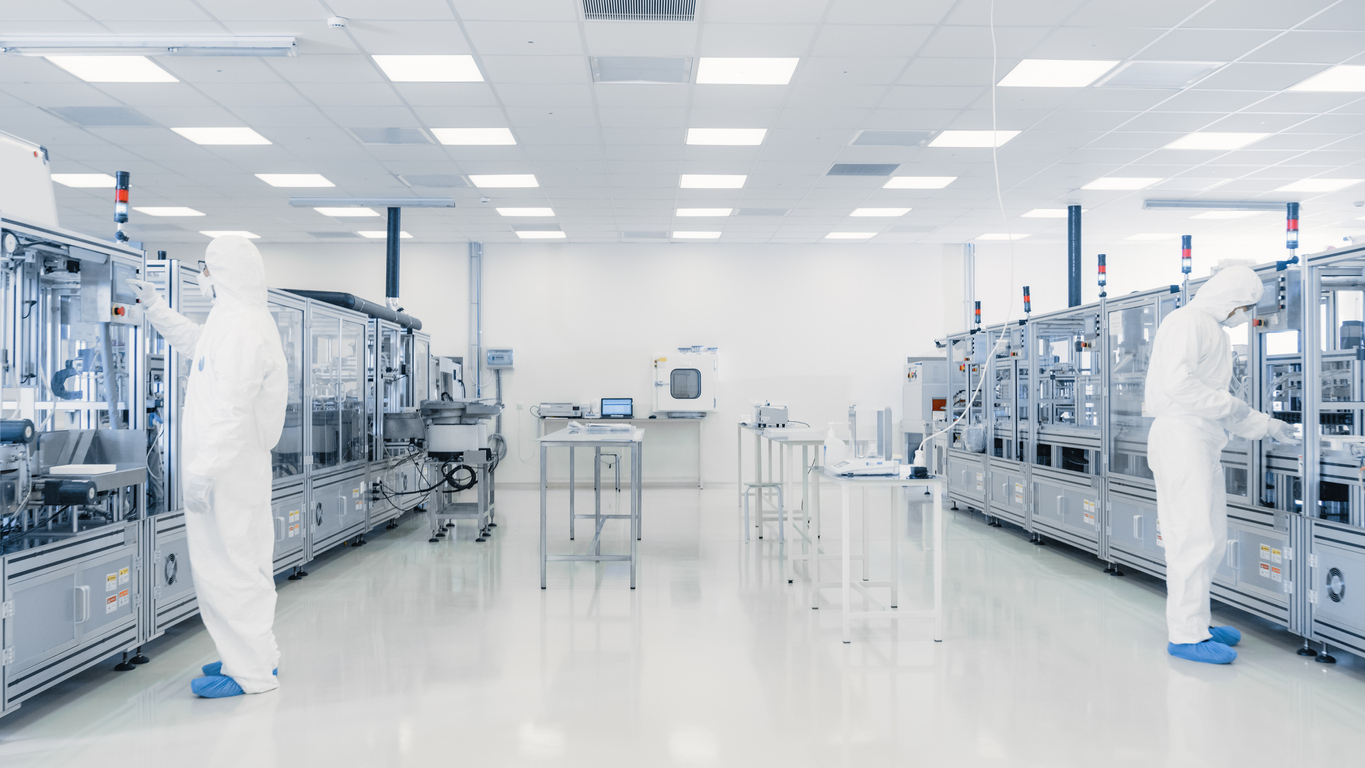
    A cleanroom is a controlled environment designed to minimize contaminants such as dust, airborne microbes, and aerosol particles. These highly regulated spaces are engineered to maintain specific levels of cleanliness, measured by the number of particles per cubic meter of air. Cleanrooms are classified according to stringent ISO standards, with ISO Class 8 being one of the common classifications used for medical manufacturing.

    Manufacturing in a cleanroom ensures that products meet rigorous industry standards, particularly for applications where contamination can threaten product quality, safety, or reliability. For example, in the medical device industry, manufacturers use cleanrooms to assemble and package products free from contaminants that could harm patients or compromise sterile processes.

    For companies like Coastline International, cleanroom facilities allow unparalleled precision during medical manufacturing in ISO Class 8 cleanrooms, ensuring consistent quality and compliance with regulatory requirements.

    Industries Relying on Cleanroom Manufacturing

    Many industries benefit from cleanroom facilities to produce high-quality, reliable products. Here are two key examples:

    Medical Devices

    The medical device sector heavily relies on cleanroom manufacturing to ensure sterility and compliance. Class I and II medical products, such as surgical instruments or disposable kits, are often assembled and packaged in cleanrooms to meet FDA and ISO standards.

    Cleanroom manufacturing minimizes risks associated with contamination, ensuring that healthcare providers and patients can rely on safe, effective products. Coastline International, for instance, employs cleanroom assembly techniques for medical devices, enhancing their safety and performance while helping OEMs meet strict industry regulations.

    Electronics

    Precision is critical in electronics manufacturing, particularly when dealing with components like PCBs (Printed Circuit Boards), cables, and power supplies. Even microscopic contaminants can cause defects or failures in high-tech components. Cleanroom environments eliminate this risk through strict environmental controls, ensuring flawless production.

    Electronics manufacturers frequently look for facilities with ISO certifications and advanced cleanroom capabilities, like those offered by Coastline International, to deliver reliable, state-of-the-art products.

    Benefits of Cleanroom Manufacturing

    Manufacturing in cleanrooms offers a range of benefits, from maintaining superior product quality to meeting compliance requirements. Here’s how cleanroom manufacturing supports businesses:

    • Improved Product Integrity

    By minimizing environmental contaminants, cleanrooms ensure that the end product meets expected performance standards without risk of defects or malfunctions caused by foreign particles.

    • Regulatory Compliance

    Cleanroom manufacturing helps businesses adhere to stringent industry standards and regulations, such as FDA requirements and ISO certifications. Compliance is crucial for industries like medical devices and pharmaceuticals, where safety is paramount.

    • Enhanced Consumer Trust

    Cleanroom manufacturing demonstrates a commitment to quality and precision. This inspires confidence in customers, leading to long-term trust and loyalty to the brand.

    • Scalability and Efficiency

    Cleanrooms support scalable production with consistently high-quality output. Facilities like those operated by Coastline International allow companies to adapt swiftly to market demands while maintaining operational efficiency.

    Frequently Asked Questions About Cleanroom Manufacturing

    What industries specifically require cleanroom manufacturing?

    Cleanroom manufacturing is essential for industries where product integrity is critical and contamination can pose significant risks. These include:

    • Medical Devices: Cleanrooms ensure sterility and regulatory compliance crucial for patient safety.
    • Pharmaceuticals: Contamination-free production in cleanrooms enhances the safety and efficacy of drugs.
    • Electronics: Clean environments prevent defects in high-precision components like PCBs and semiconductors.
    • Biotechnology: Cleanrooms are critical for producing sterile environments for research and development.

    What is the difference between regular manufacturing and cleanroom manufacturing?

    The primary difference lies in environmental control. Regular manufacturing processes occur in standard environments, while cleanroom manufacturing happens in controlled spaces with strict parameters for air quality, temperature, humidity, and particle density. Cleanroom manufacturing ensures product safety and quality by preventing contamination from dust, microbes, and other particulates.

    Coastline International specializes in high-quality contract manufacturing for medical devices, electronics, and more. With over 40 years of experience, their facilities include 4 separate ISO Class 8 cleanrooms designed to meet the most stringent industry and regulatory standards. Visit Coastline International to discover how their expertise and innovative technologies can support your manufacturing needs.

  • What to Look for When Choosing a Medical Device Contract Manufacturing Company

    What to Look for When Choosing a Medical Device Contract Manufacturing Company

    Medical device contract manufacturing is a strategic approach where healthcare companies outsource the production of their medical devices to specialized firms. These contract manufacturers focus on producing high-quality, reliable medical equipment for their clients. They collaborate closely with medical device companies to manufacture components or complete assemblies for various devices, including Class I, II, and III.

    Beyond manufacturing, contract manufacturers often provide additional value-added services such as regulatory compliance assistance, packaging and labeling, and sterilization processes. A comprehensive approach helps original equipment manufacturers streamline their operations and reduce time-to-market.

    By partnering with a reputable contract manufacturer, you can reap numerous benefits, including a more efficient supply chain and ensuring timely delivery of high-quality products that meet stringent industry standards. Contract manufacturers possess the expertise and resources to help manufacturers reduce production costs and accelerate time-to-market, allowing you to allocate more resources to research and development, driving innovation, and bringing cutting-edge medical devices to market.

    Most Important Elements to Look For

    Mexico’s manufacturing sector is home to a highly skilled and committed workforce prioritizing quality in every production stage. Workers in this industry are often trained in specialized areas such as compliance, standardization, and continuous improvement practices, guaranteeing that products consistently meet top-tier quality standards. Dedication to high performance is driven by a culture of strong work ethic and a focus on not only meeting but exceeding customer expectations.

    Outsourcing manufacturing to Mexico presents companies with a significant opportunity for cost savings. While local labor laws mandate that employers provide benefits such as social security and health insurance, these costs are typically lower than comparable expenses in the U.S. Additionally, outsourcing reduces complexities associated with customs, taxes, and import fees that arise when products are manufactured abroad and then shipped to the U.S. By establishing operations directly in Mexico, companies can streamline their supply chain, leading to both simplified logistics and reduced operational costs.

    Among Mexico’s cities, Tijuana stands out as a strategic hub for manufacturing, thanks to its large pool of highly skilled labor. The workforce here is experienced with various manufacturing processes, which means minimal training is required to bring new employees up to speed, allowing companies to maintain consistent product quality and quickly ramp up production timelines. Furthermore, with many professionals in Tijuana proficient in English, communication barriers are reduced, creating a seamless partnership for U.S.-based businesses looking to expand or optimize their production capabilities. By leveraging this robust talent pool, companies can achieve greater operational efficiency and deliver high-quality products in less time.

    Trust in a Reliable Manufacturing Partner

    Original Equipment Manufacturers (OEMs) often face the dual challenge of driving innovation while maintaining efficient, cost-effective production. A trusted contract manufacturing partner like Coastline International offers the perfect solution. OEMs benefit from a team dedicated to manufacturing excellence by outsourcing large-scale production to Coastline. With specialized expertise in optimizing production workflows, ensuring consistent quality, and managing competitive pricing, Coastline enables OEMs to focus on what they do best: advancing research, developing new technologies, and launching innovative medical devices. Reach out today to learn how our team can support your goals by completing the online form or calling 888-748-7177.

  • What is a Medical Device Contract Manufacturer?

    What is a Medical Device Contract Manufacturer?

    Medical device contract manufacturing involves outsourcing medical device production for the healthcare sector. These companies specialize in manufacturing top-tier, dependable medical equipment on behalf of others. Collaborating closely with medical device firms, they manufacture components or entire assemblies for Class I, II, and III medical devices. Beyond manufacturing, they often offer ancillary services such as regulatory compliance, packaging and labeling, and sterilization processes.

    Partnering with medical device contract manufacturers offers several advantages to original equipment manufacturers (OEMs). Firstly, it streamlines the supply chain, ensuring the delivery of high-quality products that adhere to industry standards. Furthermore, by leveraging the expertise of contract manufacturers, OEMs can meet stringent delivery deadlines, drive down production costs, and dedicate more resources to device innovation.

    Massive Benefits

    Medical device contract manufacturers are pivotal in fostering innovation within the healthcare industry. By shouldering the burden of manufacturing, they enable medical device companies to focus on research & development and commercialization thus accelerating the pace of innovation. Additionally, their specialization and dedication to quality assurance (ISO 13485) ensure that the final products meet the rigorous standards set forth by regulatory bodies (including FDA), fostering trust among healthcare providers and patients alike.

    OEMs gain a streamlined supply chain, ensuring timely delivery of their innovative devices, which translates to reduced production costs, freeing up resources for further research and development.  Ultimately, contract manufacturers empower OEMs to focus on what they do best: creating cutting-edge medical technologies that improve patient lives.

    How Business is Done

    The journey of a medical device from concept to patient care often involves a critical partnership which can be structured in a contract manufacturing agreement, or Master Service Agreement (MSA). This agreement acts as the roadmap for collaboration between a medical device company and a specialized contract manufacturer. Within this document, the two parties may outline the device’s production process and division of responsibilities. Critical details like yearly production volume, pricing structure, and stringent quality control measures are meticulously defined, ensuring both parties are on the same page regarding expectations and deliverables.

    Finding the ideal contract manufacturer begins with a company seeking bids from qualified providers. These facilitators, often with extensive experience in the medical device field, approach various manufacturers known for their expertise.  In turn, the manufacturers analyze the project’s needs and provide detailed cost estimates, factoring in labor, tooling, and material requirements.  After thoroughly evaluating proposals, the medical device company selects the contract manufacturer that best aligns with their needs and quality standards.

    Have Confidence in Your Partner

    Original Equipment Manufacturers (OEMs) face a constant challenge: balancing innovation with efficient, cost-effective production, which is where a skilled contract manufacturing partner like Coastline International steps in.

    By outsourcing mass production to Coastline, OEMs gain access to a team laser-focused on manufacturing excellence. Our expertise lies in streamlining production processes, ensuring consistent quality, and delivering products at the most competitive prices. This allows OEMs to shift their focus back to their core strengths: research, development, and bringing groundbreaking medical devices to market. Contact us today to see how we can help!

  • What Is Measurement System Analysis for Medical Device Manufacturers?

    What Is Measurement System Analysis for Medical Device Manufacturers?

    Medical devices often measure a range of variables. The specific measurements a medical device performs and provides can depend on the device’s function.

    All medical devices and related components must meet measurement requirements. To that end, those who manufacture these devices may perform measurement system analyses.

    What is a Measurement System Analysis?

    A measurement system analysis (MSA) determines how much variability there may be within a given measurement system. For a basic example, imagine your job involves weighing items on a scale.

    Perhaps you and your coworkers don’t all use the same scale to weigh items. Some scales may be less accurate than others.

    An MSA can determine the variation between measurement results (when the process itself varies slightly or not at all) to determine variation within the overall system. Naturally, in this example, a high level of variation would be undesirable, as it indicates the same system has the potential to yield significantly different results.

    Why is Measurement System Analysis Important in Medical Device Manufacturing?

    Accuracy of data is critical in a medical setting. If a medical device produces different results despite other details of a process remaining consistent, or if two devices of the same model produce different results despite neither one being defective, a device may not be reliable.

    An MSA can determine whether a medical device generates an appropriate level of variability. Be aware that performing an MSA may essentially be a legal requirement.

    The U.S. Food and Drug Administration (FDA) requires that medical devices provide valid results. Performing an MSA can generate the data needed to show the FDA a device meets its criteria. Without a thorough MSA, the FDA may not approve a device for sale.

    Performing an MSA might also potentially guard against lawsuits. For example, perhaps a patient or other such party attempts to sue a medical device manufacturer, claiming its device failed to produce valid results, which had a negative impact on their treatment. The results from an MSA might show a patient’s allegations about a device’s accuracy are false. In this scenario, investing in a thorough MSA could save a medical device company a lot of money in the long run.

    In addition, inaccurate testing can create large problems for companies as this can lead to complaints and demands for reimbursement from customers if it turns out that their products are unreliable. Companies may avoid these issues by performing MSAs.

    The Importance of Partnering with the Right Manufacturing Teams

    The companies selling medical devices may coordinate with partners to manufacture them. If your company enlists the help of manufacturers to create your devices, make sure they perform all necessary tests.

    Such tests may include MSAs. Asking about this topic when choosing a manufacturer can give you peace of mind and potentially save your business a lot of money.

    Learn More About Medical Device Manufacturing Solutions

    At Coastline International, our medical device manufacturing team has been in business for 40 years and counting thanks to our commitment to providing quality services. Learn more by contacting us online or calling us at 888-748-7177 to discuss your project.

  • What Is ‘Test Method Validation’ In Medical Device Manufacturing?

    What Is ‘Test Method Validation’ In Medical Device Manufacturing?

    Medical devices can play critical roles in the lives of their users. Thus, it’s important to confirm that a given medical device is both effective and safe.

    Testing such devices before making them available to the public is essential. However, it’s also vital to be confident the methods used to test a medical device are reliable. This is the foundation of test method validation, or TMV.


    Understanding Test Method Validation

    Test method validation can take several different forms. Generally, though, it involves analyzing test results to evaluate the overall quality and reliability of a given test method.

    For example, perhaps one testing method for a particular medical device yields fairly similar results time and time again. In this instance, one might be able to confidently state that this testing method is valid, given the fact that it can reproduce the same results on a consistent basis. It might not be possible to say the same about another testing method.


    Why Testing Method Validation is Critical

    There are many reasons proper test method validation is a significant component of the overall medical device manufacturing process. Noteworthy examples of such reasons include (but may not necessarily be limited to) the following:

    Regulations

    Federal law (specifically statute 21 CFR Part 820.72) requires that a certain degree of test method validation be part of the medical device manufacturing process before a medical device reaches the market. A company that fails to perform such testing may be in violation of the law.

    Effectiveness

    Optimizing the effectiveness of a medical device is perhaps the most significant reason for a medical device manufacturer to perform test method validation. Again, patients rely on these devices to perform a range of tasks to keep them healthy. They need to know they can trust their medical devices will work as intended.

    To some extent, proper test method validation could also theoretically help medical device manufacturers identify hazardous conditions or defects that might put customers at risk. Although this isn’t necessarily common, identifying safety risks and addressing them properly is another benefit of thorough test method validation.

    Improving Future Testing

    Test method validation can tell a medical device manufacturer whether a testing method delivers quality data. It may also tell them whether that testing method is worth applying to future medical devices.

    By performing careful and thorough medical device testing every time a new device is being prepared for the market, manufacturers can gradually make significant improvements to their overall approach to testing their products.


    Manufacturing Effective Medical Devices is Essential

    It’s worth remembering that test method validation is still just one component of manufacturing medical devices. It’s important that the companies designing these products coordinate with reputable manufacturers. When every aspect of the manufacturing process is optimized, these products are much more likely to prove useful and safe.

    Learn More About Medical Device Manufacturing Options

    At Coastline International, Inc., offering medical device manufacturing solutions to our clients, we’d be happy to answer any questions you may have about our approach to test method validation. Contact us online or call us at 888-748-7177 for more information.

  • What are the Validation Activities Involved in Medical Device Manufacturing?

    What are the Validation Activities Involved in Medical Device Manufacturing?

    Medical devices are unique in that a malfunctioning device can be the difference between life and death. For that reason, the Food and Drug Administration has strict regulatory requirements that medical devices must meet. Known as “medical device validation”, the process for ensuring the proper design and function of these lifesaving devices applies to the development, production, and sales of the devices. In other words, validation activities include all demonstrations that medical devices must meet the FDA’s performance and safety standards.  

    Steps Involved in Medical Device Validation

    The FDA allows for a bit of flexibility in how manufacturers achieve validation, once the design of the device has been verified. However, irrespective of the type of medical device, the following activities will be required:

    • Each manufacturer will establish their own procedures for validating the device
    • Each device must be manufactured under defined operating conditions
    • All devices must conform to defined user needs and intended uses. Testing of production of the units shall be performed under simulated use or actual use conditions.
    • Manufacturers must maintain a Design History File which includes methods used to validate, and the individual overseeing the validation.  
    • There are also protocols for methodology to demonstrate that the equipment being used in the manufacturing process will offer a high degree of quality assurance such that production processes will consistently manufacture products that meet quality requirements.  Such protocols often used are IQ, OQ, PQ:
      • Installation Qualification (IQ) verifies that an instrument or unit of equipment being qualified (as well as its sub-systems and any ancillary systems) has been installed and configured according to the manufacturer’s specifications or installation checklist.
      • Operational Qualification (OQ) involves identifying and inspecting equipment features that can impact final product quality. 
      • Performance Qualification (PQ) is the final step of qualifying equipment. In this phase, the qualification and validation team verifies and documents that the user requirements are verified as being met.

    Who is Responsible for Medical Device Validation?

    It is up to the manufacturer (OEM) to assume responsibility for the safety and proper function of medical devices. To that end, most companies appoint a high-level Quality Control employee to manage the validation process. 

    Whoever is selected to construct and oversee the validation activities needs to have a thorough understanding of all applicable regulations. Keep in mind that regulations require that the design of the device not only meets user needs but accomplishes the desired function. To put it another way, the individual tasked with overseeing validation activities will be in charge of confirming that their company built the right device for its intended use.

    Benefits of Manufacturing Medical Devices in Mexico

    Nearshore manufacturing of medical devices, when performed by an established, and reputable contract manufacturing partner can save time and money. However, due to the strict regulations and quality standards governing medical devices, it’s essential that you select a contract manufacturing partner with proper engineering resources that specializes in medical device manufacturing. 

    Working with an FDA Registered contract manufacturing partner in Mexico offers benefits including:

    • Trained, affordable workforce
    • Close proximity to the U.S.
    • Lower shipping costs
    • Greater oversight
    • Tax benefits
    • Faster production-to-market times
    • Less vulnerable to supply chain disruptions
    • Less risk of Intellectual Property theft
    • Free trade agreement with Mexico

    Indeed, medical device manufacturing in Tijuana allows you to reap the benefits of savings, without sacrificing oversight and quality control due to distance.  

    Learn More About Medical Device Manufacturing in Tijuana

    In 2022, Coastline International celebrated 40 years of success in nearshore medical device manufacturing in Mexico. Coastline International boasts an operational capacity of more than 50,000 square feet and 4 separate ISO Class 8 cleanrooms in facilities built to U.S. standards.  As a privately owned, San Diego, CA-based U.S. corporation, Coastline International specializes in medical device, electronics, aerospace, and consumer goods manufacturing. To learn more, send us a message or call 888-748-7177.

  • Coastline International Celebrates 40th Anniversary

    Coastline International Celebrates 40th Anniversary

    We are excited to celebrate our 40th anniversary this year for manufacturing in Mexico!  Here is the press release posted to share the story.  We are looking forward to many more years ahead!


    SAN DIEGO (April 2022)  www.prweb.com — 2022 marks the 40th anniversary that Coastline International has been providing manufacturing services for leading companies worldwide. Established in 1982, Coastline has a long history of working with top OEMs to provide superb customer service and manufacturing partnership through their Tijuana, Mexico based facilities. Coastline has gained a reputation for their quality and service throughout the past 40 years of becoming experts in nearshore manufacturing

    Why Contract Manufacturing in Mexico? 

    While Coastline’s manufacturing operations are strategically located on the Tijuana side of the US-Mexico border, Coastline International is a US-owned and managed company and all corporate operations are based out of San Diego, California. Since its inception in 1982, Coastline has operated the same maquiladora business model which encompasses the management of all manufacturing services and import-export activities for their customers to allow for seamless access to their highly skilled and competitive labor workforce in Mexico. 

    In the early 1980’s and 1990’s era, Coastline was primarily concentrated on electronics and industrial applications. Core competencies focused on printed circuit boards (PCBA), soldering, potting, wire harnesses, box builds, manual packaging, assembly of aerospace rivets & fasteners, and power supply & battery pack assembly. Coastline capabilities have historically aligned with industry demands, and in the late 1990’s, the requirements of the medical device industry found their way to Coastline Mexico facilities. As the manufacturing and assembly processes for many medical products were and continue to be quite labor intensive, it was made very clear that the manufacturing infrastructure in the Tijuana region was a great fit to support the emerging market. With Coastline’s history of high-quality assembly work, it was a natural transition to embrace new medical companies as customers. 

    Coastline International’s Evolution Over the Years 

    Over the years as the opportunities grew, Coastline continued to evolve and adapt to the industry requirements. In the early 2000’s, Coastline obtained ISO certification and to this day the Quality Management System remains current on both ISO 9001 and ISO 13485 revisions. The Coastline facilities in Mexico have built a robust staff and experienced management team which has continued to grow along with the development of their customer base. In 2018, Coastline obtained a new 20,000 sq. ft. building and invested in the build-out of an additional Class 8 (Class 100,000) cleanroom production space. The Tijuana facilities currently comprise a total of three buildings which include four cleanrooms and multiple production floors & warehouses across the 50,000 sq. ft. campus – all of which is in the same secure gated industrial park approximately 10 miles from the San Diego border.

    Throughout the past 40 years, the focus on manual assembly has been a common denominator across the vast portfolio of products manufactured at Coastline. As Coastline has adopted new customers in thriving industries, legacy production also certainly remains from many long-standing customers, some of which have been engaged for more than 20 years. Although labor-driven processes continue to remain a core proficiency, Coastline has also embraced significant equipment-reliant manufacturing capabilities such as ultrasonic welding, RF welding, UV curing, die-cutting, sterile-barrier sealing, in addition to automated processes such as form-fill-seal (FFS) packaging. 

    Coastline’s customer base covers a wide spectrum of companies across industries which include Fortune-500 companies, late-stage start-ups, and many organizations in between. All of Coastline’s customers either have a long history of successful products or have created traction in the marketplace with new innovation. In order to support their growth, it has been essential for these OEMs to identify a strategic manufacturing partner to help reduce costs and also provide the capacity to scale production for the growing demand. By working with Coastline, these companies have been able to rely on the Tijuana site for scalable production – consequently, they can focus on product development, innovation, sales & marketing, and all of the other critical aspects related to the demands of a successful modern company. 

    The management team at Coastline has committed to creating a culture of integrity within the organization. As a result, Coastline has been fortunate to maintain turnover levels considerably below the regional and industry averages. Coastline has also found great success through focusing on employee development and internal promotion in order to create opportunities for current personnel. Many of Coastline’s employees have been with the organization in excess of 10-20 years, some even passed the 30-year mark. Over the years, hundreds of jobs have been created by way of Coastline’s manufacturing operation in Tijuana and the future is looking bright with continued growth ahead. 

    In conjunction with a passion for their employees, the other element fundamental to their success has been the dedication to service for their customers. Coastline has been recognized for their service offering which includes management presence from the USA on-site; this “boots on the ground” approach of US-management representation embraces the partner mentality and creates a direct line of communication to the manufacturing site. Coastline has countless times been able to witness firsthand the lifecycle of products ramping from early design-phase all the way to steady-state high volume production lines. The accomplishment of their customers is vital to Coastline’s success, as the mutually beneficial relationship is based on reciprocity and the spirit of partnership. Coastline’s goal is to truly operate as a “Tijuana-based extension” of their customers.

    A Bright Path Forward 

    As 2022 will make 40 years of manufacturing in Mexico for Coastline International, the organization is committed to many more positive years ahead. The leadership team is very excited about Mexico’s position — Tijuana in particular — in the current global landscape for contract manufacturing. In addition to facility investments, Coastline has continued to invest in its staff to build and maintain the necessary foundation for further steady growth and an exciting future to come. 

    To learn more about Coastline or contact for manufacturing inquiries, please contact Brett South at: info@coastlineintl.com

  • Your Guide to Medical Device Manufacturing in Mexico

    Your Guide to Medical Device Manufacturing in Mexico

    If you’re an American business searching for a medical device manufacturer, you don’t have to look across the ocean to another continent — the right solution may be closer than you think. Medical device manufacturing in Mexico is a booming industry thanks to its skilled workforce, high tech facilities, and close proximity to the United States. At Coastline International, we’ve been manufacturing medical devices for our partners since 1982. Here’s what you need to know about the process. 

    (more…)