

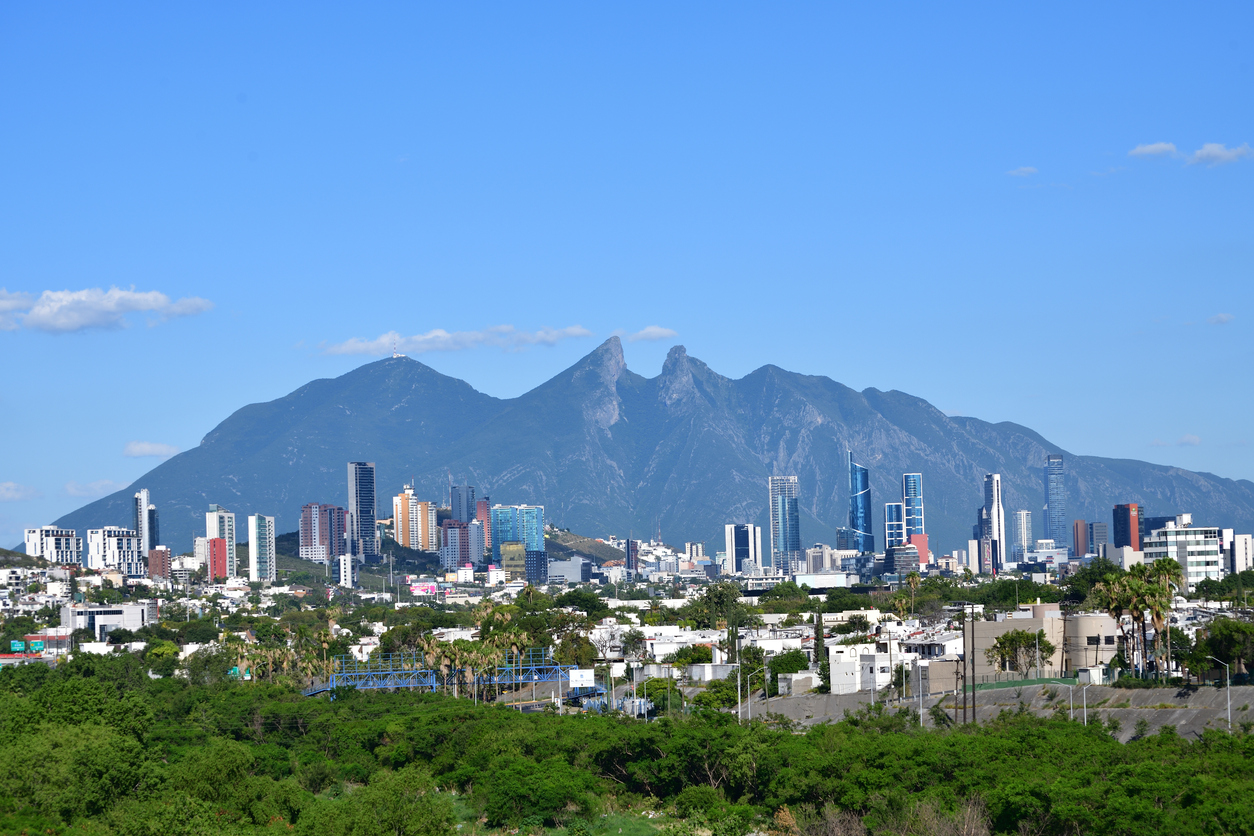
When we work with companies looking to manufacture products in Mexico, one of the first questions we hear is how complicated the regulatory environment really is. The truth is that Mexico offers tremendous advantages for contract manufacturing, including proximity to the United States, a skilled labor force, and favorable trade agreements. But those advantages only translate into real savings and efficiency when the regulatory side of the equation is handled correctly. In this post, we want to walk through the key regulations that shape contract manufacturing in Mexico and explain how a thoughtful approach can help businesses avoid costly delays and compliance headaches.
Understanding the IMMEX Program
One of the cornerstones of manufacturing in Mexico is the IMMEX program, which allows companies to temporarily import raw materials, components, and machinery without paying general import taxes, as long as the finished goods are eventually exported. This program was designed to encourage foreign investment and has become the backbone of the maquiladora industry along the border and beyond.
Qualifying for IMMEX status requires meeting specific requirements around export volume, recordkeeping, and inventory control systems. We often see companies underestimate how detailed the documentation needs to be. Every material that enters under this program must be tracked from the moment it arrives until it leaves as part of a finished product. Falling behind on this recordkeeping can trigger audits, fines, or even a suspension of IMMEX benefits, so having systems in place from day one is essential.
USMCA Compliance and Rules of Origin
The United States Mexico Canada Agreement replaced NAFTA in 2020 and introduced updated rules of origin, particularly for industries like automotive manufacturing. These rules determine whether a product qualifies for preferential tariff treatment when it crosses borders within North America.
For contract manufacturers, this means understanding regional value content requirements and ensuring that suppliers throughout the chain can provide the documentation needed to prove origin. We have found that many disruptions in cross border shipments trace back to incomplete or inaccurate origin certifications rather than any issue with the product itself. Working with partners who understand these requirements in detail can prevent shipments from being held at the border or hit with unexpected duties.
Customs and Import Export Requirements
Beyond IMMEX and USMCA, general customs regulations govern how goods move in and out of Mexico. Companies need to work with a licensed customs broker, known as an agente aduanal, who is authorized to file the necessary paperwork with Mexican customs authorities. Import and export declarations, tariff classifications, and valuation of goods all need to be accurate and consistent.
We recommend that anyone entering contract manufacturing in Mexico take the time to understand the Harmonized Tariff Schedule classifications relevant to their products, since misclassification is one of the most common and costly mistakes companies make. Even small errors in classification can lead to penalties or shipment delays that ripple through an entire production schedule.
Labor Law Compliance
Mexican labor law has undergone significant reform in recent years, particularly around outsourcing practices, profit sharing, and union representation. The 2021 labor reform eliminated most forms of personnel outsourcing and required companies to bring certain functions in house or work through properly registered specialized service providers.
For contract manufacturers, this means paying close attention to how workers are classified and ensuring that any staffing arrangements comply with current law. Profit sharing obligations, known as PTU, also require careful calculation and distribution to employees each year. We always encourage clients to work with local labor counsel or HR specialists who stay current on these evolving requirements, since noncompliance can result in significant financial and legal exposure.
Environmental Regulations
Mexico’s environmental regulatory framework is overseen primarily by SEMARNAT, the federal environmental protection agency. Depending on the nature of the manufacturing process, companies may need environmental impact assessments, wastewater discharge permits, or hazardous waste management plans.
Industries that use chemicals, generate significant emissions, or produce hazardous byproducts face additional scrutiny and permitting requirements. We have seen manufacturing timelines slip by months when environmental permitting is treated as an afterthought rather than being built into the initial facility planning process. Getting ahead of these requirements early in a project can prevent costly rework and delays down the line.
Quality Certifications and Industry Standards
Depending on the industry, contract manufacturers in Mexico may need to meet specific quality certifications such as ISO 9001 for general quality management, IATF 16949 for automotive parts, or ISO 13485 for medical devices. These certifications are not always legally mandated, but they are often required by customers or necessary to compete in certain markets.
Maintaining these certifications requires ongoing internal audits, documented quality control processes, and a commitment to continuous improvement. We believe that companies who treat certification as a foundational part of their operations, rather than a box to check, tend to build stronger and more resilient supply chains as a result.
Data Privacy and Intellectual Property Protection
As manufacturing increasingly involves proprietary designs, processes, and technology, protecting intellectual property has become a growing concern for companies operating in Mexico. Mexican law does provide protections through patents, trademarks, and trade secret provisions, but enforcement can vary, and contracts need to be structured carefully to protect a company’s interests.
We always recommend clear nondisclosure agreements, well drafted manufacturing contracts, and registration of relevant intellectual property with Mexican authorities where applicable. Taking these steps early helps prevent disputes and protects the value of the technology and processes that make a product competitive in the first place.
Building a Compliant and Sustainable Manufacturing Strategy
Navigating these regulations does not have to be overwhelming, but it does require preparation, local expertise, and a willingness to invest time in doing things correctly from the start. We have found that the companies who succeed in contract manufacturing in Mexico are the ones who treat compliance as a strategic priority rather than a formality to work around. By understanding programs like IMMEX, staying current on USMCA rules of origin, maintaining strong labor and environmental practices, and protecting intellectual property, businesses can build manufacturing operations that are both efficient and sustainable for the long term. The regulatory landscape will continue to evolve, and staying informed is an ongoing responsibility rather than a one time task.
Frequently Asked Questions About Contract Manufacturing Regulations in Mexico
What is the IMMEX program and why does it matter for contract manufacturing?
The IMMEX program allows companies to temporarily import materials and equipment without paying certain import taxes, provided the finished goods are exported. It is one of the primary reasons contract manufacturing in Mexico remains cost effective for many industries.
How does USMCA affect contract manufacturers in Mexico?
USMCA sets rules of origin that determine whether products qualify for preferential tariff treatment when moving across North American borders. Manufacturers need proper documentation to prove their products meet these requirements.
Do contract manufacturers in Mexico need a customs broker?
Yes, all formal imports and exports must go through a licensed customs broker, known as an agente aduanal, who files the required documentation with Mexican customs authorities.
What labor law changes should companies be aware of when manufacturing in Mexico?
The 2021 labor reform significantly restricted outsourcing practices and clarified requirements around profit sharing and worker classification. Companies should work with local labor experts to remain compliant.
Are environmental permits required for all manufacturing facilities in Mexico?
Not all facilities require the same permits, but many manufacturing processes involving chemicals, emissions, or hazardous waste do require environmental assessments and permits from SEMARNAT.
Coastline International helps businesses navigate the complexities of contract manufacturing in Mexico, from regulatory compliance to supply chain strategy. If you are considering manufacturing operations in Mexico and want expert guidance every step of the way, contact us today to start the conversation.