Category: Uncategorized

  • Leveraging the Benefits of Contract Manufacturing in Mexico

    Leveraging the Benefits of Contract Manufacturing in Mexico

    For manufacturers looking to stay competitive in today’s global marketplace, finding ways to reduce costs without sacrificing quality is a constant priority. As supply chains continue to evolve, many companies are discovering that contract manufacturing in Mexico offers an effective solution for improving efficiency, increasing production capacity, and maintaining high quality standards.

    Mexico has become one of the world’s leading manufacturing destinations, particularly for medical devices, electronics, aerospace, and consumer products. With its skilled workforce, strategic location, and trade advantages, businesses can streamline operations while keeping production close to the United States. Companies like Coastline International have helped manufacturers successfully transition production to Mexico for more than 40 years through reliable contract manufacturing solutions supported by ISO-certified facilities and FDA registration.

    Why Companies Are Choosing Contract Manufacturing in Mexico

    Contract manufacturing allows businesses to outsource part or all of their production to an experienced manufacturing partner. Rather than investing in additional facilities, equipment, and labor, companies can focus on product development, sales, and customer relationships while relying on an established manufacturer to handle production.

    Mexico offers several unique advantages that make it an attractive destination for outsourcing manufacturing.

    One of the most significant benefits is proximity. Unlike overseas manufacturing, facilities located in northern Mexico are only hours away from many U.S. businesses. Coastline International’s manufacturing operations in Tijuana are located less than 10 miles from the San Diego border, allowing for faster transportation, simplified logistics, and improved communication compared to overseas production.

    Another advantage is the availability of a highly skilled manufacturing workforce. Mexico has built a strong reputation for producing complex medical devices, precision electronics, aerospace components, and other highly regulated products. Experienced technicians and production teams help ensure consistent quality while supporting demanding production requirements.

    Lower Manufacturing Costs Without Sacrificing Quality

    Cost reduction is often one of the primary reasons companies consider contract manufacturing. However, the lowest price means little if product quality suffers.

    One of the strengths of manufacturing in Mexico is the ability to lower production expenses while maintaining rigorous quality standards.

    Several factors contribute to these savings, including:

    • Competitive labor costs
    • Reduced shipping expenses compared to overseas manufacturing
    • Lower inventory carrying costs
    • Faster transportation times
    • Simplified supply chain management
    • Reduced import costs through USMCA trade benefits

    These savings allow businesses to improve profitability while remaining competitive in their markets.

    Equally important is quality assurance. Reputable contract manufacturers invest heavily in quality systems, documentation, inspection procedures, and regulatory compliance. Coastline International operates ISO 9001 and ISO 13485 certified facilities that are FDA registered, making them well suited for highly regulated industries such as medical device manufacturing.

    Faster Lead Times Improve Supply Chain Performance

    Global supply chain disruptions have highlighted the challenges of relying on manufacturing facilities located halfway around the world.

    Long ocean freight transit times, port congestion, customs delays, and geopolitical uncertainty can all impact delivery schedules.

    Nearshore manufacturing in Mexico significantly shortens the supply chain.

    Instead of waiting weeks or months for overseas shipments, products manufactured in northern Mexico can often reach U.S. distribution centers within days.

    Shorter lead times provide several important advantages:

    • Faster response to customer demand
    • Reduced inventory requirements
    • Improved forecasting accuracy
    • Greater flexibility during production changes
    • Faster implementation of engineering updates

    This agility can become a significant competitive advantage, particularly for companies operating in rapidly changing markets.

    Access to Specialized Manufacturing Capabilities

    Many contract manufacturers offer far more than simple assembly services.

    Experienced partners often provide complete manufacturing solutions that include finished device assembly, engineering support, procurement, quality assurance, packaging, logistics, sterilization management, product labeling, and testing.

    For manufacturers in regulated industries, these capabilities reduce the burden on internal teams while ensuring products meet industry standards.

    Coastline International supports a broad range of manufacturing services for industries including:

    • Medical devices
    • Electronics
    • Pharmaceutical and life sciences
    • Aerospace
    • Consumer products

    Their facilities also offer precision assembly, cleanroom manufacturing, product labeling, quality assurance testing, and turnkey procurement and logistics management, allowing customers to consolidate multiple manufacturing functions under one experienced partner.

    Greater Scalability as Your Business Grows

    Manufacturing demand rarely stays constant. A successful product launch may require rapid production increases, while seasonal fluctuations can create temporary spikes in manufacturing needs. Building additional internal manufacturing capacity requires significant capital investment in facilities, equipment, hiring, and training.

    Contract manufacturing provides flexibility. An experienced manufacturing partner already has production systems, trained personnel, and operational infrastructure in place to accommodate changing production volumes.

    Whether a company needs to increase production, launch a new product, or supplement existing manufacturing operations, contract manufacturing provides the scalability needed without major capital expenditures. This flexibility allows businesses to respond more quickly to market opportunities while minimizing operational risk.

    Simplified Regulatory Compliance

    Manufacturers serving medical, pharmaceutical, and highly regulated industries face strict compliance requirements. Documentation, quality systems, traceability, inspections, and certifications all require specialized expertise. Partnering with an experienced contract manufacturer can simplify these requirements.

    Established manufacturers already maintain quality management systems designed to comply with industry regulations. They understand documentation requirements, process validation, quality control, and regulatory inspections.

    For medical device manufacturers in particular, working with an FDA registered manufacturer operating under ISO 13485 quality standards can significantly reduce compliance challenges while maintaining consistent product quality.

    Improved Focus on Core Business Activities

    Manufacturing is only one part of running a successful business. Companies must also manage research and development, product innovation, marketing, customer service, regulatory strategy, and business growth. Outsourcing manufacturing allows leadership teams to redirect valuable time and resources toward these higher value activities.

    Instead of managing production equipment, hiring manufacturing personnel, sourcing materials, and overseeing daily factory operations, internal teams can focus on:

    • Product development
    • Engineering innovation
    • Sales growth
    • Customer relationships
    • Market expansion
    • Strategic planning

    This shift often leads to greater operational efficiency across the entire organization.

    Why the Right Manufacturing Partner Matters

    Not every contract manufacturer offers the same level of expertise. Selecting the right partner requires evaluating several important factors.

    Businesses should look for manufacturers with proven industry experience, strong quality certifications, transparent communication, reliable logistics capabilities, and the ability to scale production as needs evolve.

    Location also matters. Facilities located near major transportation hubs and U.S. border crossings provide faster shipping, easier site visits, and more efficient collaboration.

    Experience working with complex products is equally important. Companies that manufacture medical devices, electronics, aerospace components, or other precision products benefit from partners with established quality systems and years of specialized manufacturing knowledge.

    The most successful contract manufacturing relationships become long-term partnerships built on trust, collaboration, and continuous improvement.

    Building a Stronger Manufacturing Strategy

    As companies continue searching for ways to improve efficiency while controlling costs, contract manufacturing in Mexico remains one of the most practical and strategic solutions available.

    Nearshore manufacturing combines cost savings with shorter supply chains, skilled labor, regulatory expertise, and operational flexibility. When businesses partner with an experienced manufacturer, they gain access to advanced production capabilities while maintaining the ability to focus on innovation and growth.

    For organizations seeking dependable manufacturing support, Coastline International offers decades of experience, strategically located facilities in Tijuana, comprehensive manufacturing capabilities, and a commitment to delivering high quality products that meet demanding industry standards.

    Frequently Asked Questions About Contract Manufacturing in Mexico

    Is contract manufacturing in Mexico only beneficial for large companies?

    No. Businesses of many sizes can benefit from contract manufacturing. Small and mid-sized companies often gain access to manufacturing capabilities that would otherwise require significant capital investment.

    What industries commonly use contract manufacturing in Mexico?

    Mexico supports a wide variety of industries, including medical devices, electronics, aerospace, automotive, consumer products, and life sciences. Many manufacturers choose Mexico because of its skilled workforce and established industrial infrastructure.

    How does nearshore manufacturing improve supply chain reliability?

    Nearshore manufacturing reduces transportation time, improves communication, and allows companies to respond more quickly to changing customer demand. Shorter shipping distances also help reduce inventory requirements and minimize delays.

    How do manufacturers maintain quality when outsourcing production?

    Experienced contract manufacturers implement comprehensive quality management systems, standardized production processes, inspections, and regulatory compliance programs. Certifications such as ISO 9001 and ISO 13485 help ensure consistent product quality.

    Why is Mexico a strong location for nearshore manufacturing?

    Mexico offers proximity to the United States, skilled labor, established manufacturing infrastructure, and shorter shipping times than many overseas options. These advantages help companies improve efficiency while maintaining better control over production and logistics.

    At Coastline International we have spent more than four decades helping manufacturers optimize production through reliable contract manufacturing solutions in Mexico. Our experienced team supports customers across highly regulated industries with quality-focused manufacturing, precision assembly, and comprehensive logistics services. Contact us today to learn more about our services or to request a quote. 
  • Supply Chain Optimization for Electronics Manufacturing in Mexico

    Supply Chain Optimization for Electronics Manufacturing in Mexico

    Electronics manufacturers face increasing pressure to deliver high-quality products while controlling costs, reducing lead times, and maintaining supply chain resilience. In recent years, many companies have turned to Mexico as a strategic manufacturing destination because of its proximity to the United States, skilled workforce, and well-developed industrial infrastructure. For companies producing electronic devices, components, and assemblies, optimizing the supply chain has become just as important as optimizing the manufacturing process itself.

    Mexico’s growing role in global electronics manufacturing offers businesses a unique opportunity to improve efficiency without sacrificing quality. By combining nearshore production with streamlined logistics, procurement management, and inventory control, manufacturers can build more agile supply chains that respond quickly to changing market demands.

    Why Mexico Has Become a Hub for Electronics Manufacturing

    Mexico has established itself as one of the most attractive locations for electronics manufacturing due to its strategic geographic position and strong manufacturing ecosystem. Companies that manufacture in Mexico benefit from shorter transportation distances to North American markets, reducing shipping costs and transit times compared to overseas production locations.

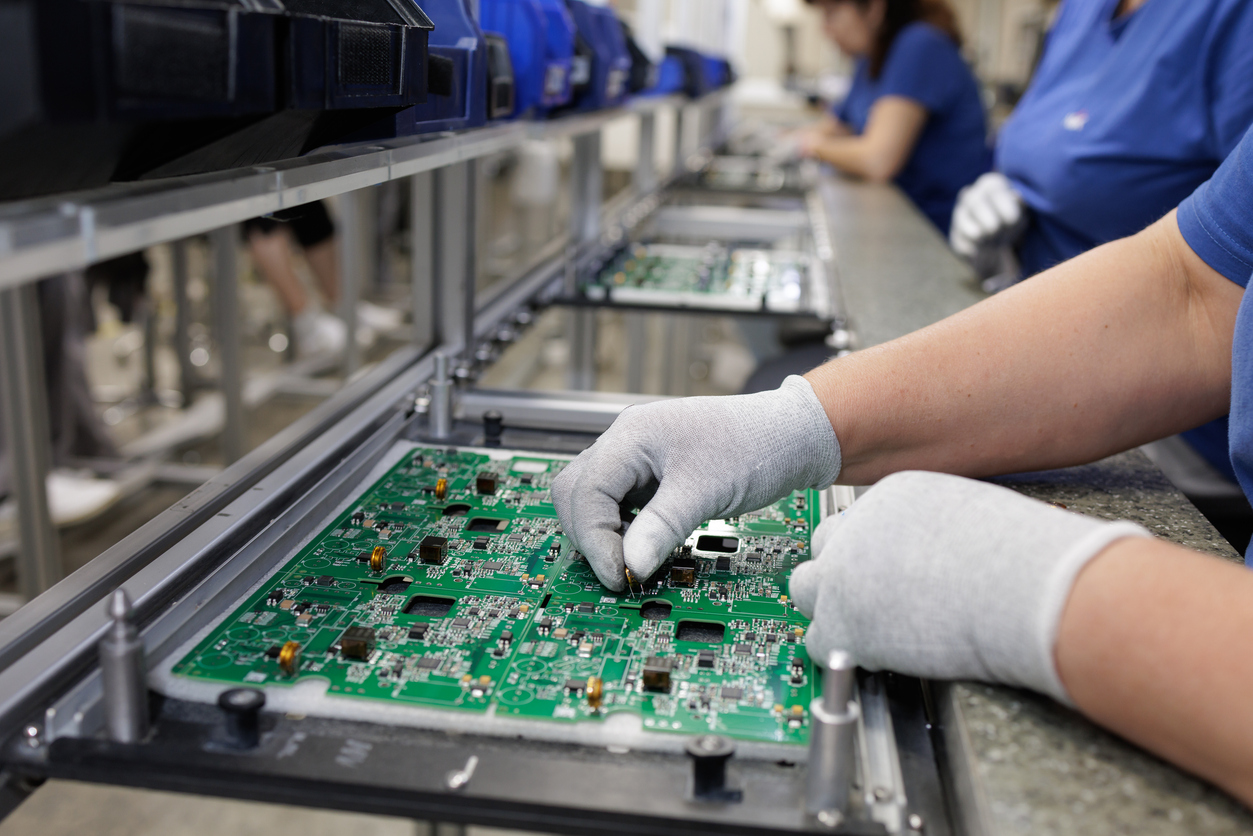
    The country’s industrial regions, particularly areas such as Tijuana, provide access to experienced manufacturing professionals, precision assembly capabilities, reduced labor cost, modern production facilities, and established supplier networks. This infrastructure allows electronics companies to source materials, manufacture products, and distribute finished goods more efficiently.

    For many original equipment manufacturers (OEMs), nearshore manufacturing in Mexico offers a balance between cost savings and operational control. Rather than managing complex overseas supply chains, businesses can maintain closer communication with their manufacturing partners while reducing the risks associated with long-distance logistics.

    Another advantage is access to trade agreements such as the United States-Mexico-Canada Agreement (USMCA), which helps facilitate cross-border trade and can reduce costs associated with importing and exporting goods.

    Key Elements of Supply Chain Optimization

    Successful supply chain optimization involves much more than simply reducing costs. Electronics manufacturers must carefully manage procurement, production planning, inventory, transportation, and quality control to create a reliable and efficient operation.

    One of the most important areas is procurement management. Electronic products often require numerous components sourced from multiple suppliers. Delays involving even a single component can disrupt production schedules. Strategic sourcing and supplier diversification help manufacturers reduce risk and maintain consistent production.

    Inventory management is another critical factor. Excess inventory ties up capital and increases storage costs, while insufficient inventory can result in production delays. Many electronics manufacturers have adopted just-in-time (JIT) inventory strategies that allow them to maintain lean inventory levels while ensuring critical components remain available when needed. Manufacturing operations located closer to their end markets often find these strategies easier to implement.

    Transportation planning also plays a significant role in supply chain optimization. Shorter shipping distances allow companies to respond more quickly to customer demand, reduce freight expenses, and minimize disruptions caused by global transportation challenges. Mexico’s proximity to the United States offers significant advantages in this area.

    Quality management remains equally important. Electronics manufacturers must ensure that every component and finished product meets strict specifications. Working with manufacturing partners that maintain internationally recognized quality certifications can help support consistent product quality and regulatory compliance.

    How Nearshore Manufacturing Strengthens Supply Chain Performance

    Nearshore manufacturing has become a popular strategy for companies seeking greater supply chain resilience. By locating production closer to key markets, businesses can improve responsiveness and reduce many of the risks associated with offshore manufacturing.

    One of the most immediate benefits is shorter lead times. Products manufactured in Mexico can often reach U.S. customers significantly faster than products shipped from Asia. This allows manufacturers to react more quickly to changes in demand and reduce the need for large safety stock inventories.

    Communication and collaboration also improve when manufacturing partners operate within similar time zones and are geographically accessible. Teams can conduct site visits more easily, resolve production issues faster, and maintain greater visibility throughout the manufacturing process.

    Supply chain resilience has become especially important following recent global disruptions. Companies are increasingly evaluating ways to reduce dependence on long international supply chains. Nearshore manufacturing helps diversify production strategies while improving operational flexibility.

    Mexico’s established supplier and logistics network further strengthens supply chain performance. Access to local suppliers, transportation providers, and industrial infrastructure enables manufacturers to maintain steady production and delivery schedules even when global markets experience volatility.

    The Role of Contract Manufacturing in Supply Chain Optimization

    Many electronics companies choose to partner with contract manufacturers to improve efficiency and reduce operational complexity. A qualified contract manufacturing partner can manage critical supply chain functions, allowing OEMs to focus on product development, innovation, and customer growth.

    Contract manufacturers often provide turnkey solutions that include procurement, materials management, assembly, testing, quality assurance, and logistics coordination. This integrated approach simplifies operations while improving visibility across the supply chain.

    Experienced manufacturing partners can also assist with import/export management, alternate sourcing strategies, and inventory planning. These capabilities become especially valuable when navigating changing market conditions or addressing component shortages.

    Additionally, contract manufacturing allows companies to scale production more efficiently. Rather than investing heavily in facilities, equipment, and personnel, businesses can leverage existing manufacturing infrastructure to meet fluctuating demand. This flexibility helps reduce financial risk while supporting long-term growth.

    For electronics manufacturers seeking a competitive advantage, partnering with an experienced manufacturing provider can significantly improve both operational performance and supply chain reliability.

    Building a More Agile Electronics Supply Chain

    As the electronics industry continues to evolve, supply chain agility will remain a key driver of success. Companies that can quickly adapt to changing customer requirements, market conditions, and global disruptions will be better positioned to compete.

    Manufacturing in Mexico offers a compelling solution for businesses seeking to optimize their supply chains. Through shorter lead times, lower transportation costs, skilled labor access, and robust logistics infrastructure, companies can improve efficiency while maintaining high standards of quality and performance.

    By combining strategic procurement, inventory optimization, nearshore manufacturing, and experienced contract manufacturing partnerships, electronics companies can build supply chains that are more resilient, responsive, and cost-effective for years to come.

    Frequently Asked Questions About Electronics Manufacturing in Mexico

    Why are electronics companies moving manufacturing operations to Mexico?

    Many electronics companies choose Mexico because it offers lower production costs, access to skilled labor, shorter shipping distances to North America, and strong trade agreements. These advantages help improve efficiency while maintaining product quality.

    How does nearshore manufacturing improve supply chain performance?

    Nearshore manufacturing reduces transportation times, improves communication, and allows companies to respond more quickly to changing customer demand. It can also help reduce risks associated with long global supply chains.

    What supply chain challenges are common in electronics manufacturing?

    Electronics manufacturers often face challenges such as component shortages, fluctuating demand, transportation delays, and supplier disruptions. Effective supply chain optimization strategies help companies reduce these risks and maintain consistent production schedules.

    Can contract manufacturers help manage supply chain logistics?

    Yes. Many contract manufacturers provide procurement, inventory management, supplier coordination, and logistics support as part of their services. This integrated approach can improve visibility, reduce operational complexity, and help manufacturers respond more quickly to market changes.

    What should companies look for in a manufacturing partner in Mexico?

    Companies should evaluate a manufacturing partner’s industry experience, quality certifications, supply chain capabilities, logistics expertise, and ability to scale production. A partner with established supplier networks and strong cross-border logistics support can help improve overall supply chain performance.

    We at Coastline International have been helping companies optimize manufacturing, logistics, and supply chain operations since 1982. Our experienced team supports electronics manufacturers with nearshore production solutions designed to improve efficiency, quality, and responsiveness. Whether you need contract manufacturing, supply chain management, or logistics support, we are committed to helping your business succeed. Contact us today to request a quote. 

  • Regulatory Compliance in Nearshore Manufacturing: Meeting ISO 13485, FDA & Other Standards in Mexico

    Regulatory Compliance in Nearshore Manufacturing: Meeting ISO 13485, FDA & Other Standards in Mexico

    As more companies look to nearshore manufacturing to improve supply chain stability, reduce lead times, and control costs, regulatory compliance has become a critical part of the conversation. For businesses in industries such as medical devices, aerospace, automotive, and electronics, choosing the right manufacturing partner means more than finding production capacity. It also means ensuring products are manufactured according to strict international standards and regulatory requirements.

    Mexico has become one of the leading destinations for nearshore manufacturing because of its skilled workforce, strong manufacturing infrastructure, and proximity to the United States. At the same time, manufacturers operating in Mexico are increasingly expected to comply with global quality standards such as ISO 13485, FDA regulations, ISO 9001, and industry-specific certifications. Companies that fail to prioritize compliance can face production delays, rejected shipments, recalls, and reputational damage.

    Understanding how regulatory compliance works in Mexico can help businesses make informed decisions when selecting a nearshore manufacturing partner and building a resilient supply chain.

    Why Regulatory Compliance Matters in Nearshore Manufacturing

    Regulatory compliance is essential because it helps ensure products are manufactured safely, consistently, and according to customer and legal requirements. In highly regulated industries, compliance is not optional. It is often a prerequisite for entering markets, maintaining contracts, and protecting end users.

    For medical device manufacturers, compliance with ISO 13485 and FDA requirements is particularly important. ISO 13485 establishes quality management system standards specific to medical device manufacturing. It focuses on risk management, process validation, traceability, documentation, and continuous improvement. FDA regulations add another layer of oversight for products entering the United States market.

    Companies that outsource manufacturing without verifying compliance capabilities may encounter major risks. Poor documentation practices, inadequate quality controls, or unvalidated production processes can create regulatory problems that impact the entire supply chain.

    Nearshore manufacturing in Mexico offers advantages for companies seeking greater visibility and oversight. Geographic proximity allows for easier audits, facility visits, collaboration, and communication compared to overseas manufacturing operations located farther away. This accessibility can make it easier for businesses to maintain quality standards and address compliance concerns quickly.

    In addition, Mexico’s manufacturing sector has matured significantly over the past several decades. Many facilities are designed specifically to meet the expectations of U.S. and international customers operating in regulated industries.

    Understanding ISO 13485 and FDA Requirements

    ISO 13485 is widely recognized as the international standard for medical device quality management systems. Manufacturers that achieve ISO 13485 certification demonstrate their ability to consistently meet customer and regulatory requirements throughout the product lifecycle.

    The standard covers areas such as:

    • Design and development controls
    • Supplier management
    • Risk assessment and mitigation
    • Process validation
    • Corrective and preventive actions
    • Product traceability
    • Documentation and recordkeeping
    • Cleanliness and contamination control

    For companies manufacturing medical devices or components, including finished device assembly, working with an ISO 13485-certified partner can help simplify regulatory approval processes and improve confidence in product quality.

    FDA compliance is equally important for products sold in the United States. Depending on the product type, manufacturers may need to comply with FDA Quality System Regulations (QSR), Good Manufacturing Practices (GMP), and other applicable requirements.

    FDA inspections often focus on documentation, employee training, production controls, equipment maintenance, and complaint handling procedures. Manufacturers must be able to demonstrate that their systems are repeatable, traceable, and properly controlled.

    Nearshore manufacturers in Mexico that serve U.S. markets frequently invest heavily in compliance infrastructure because they understand the expectations of international customers. This includes implementing robust quality systems, maintaining detailed documentation, and conducting regular internal audits to ensure ongoing compliance.

    For businesses evaluating manufacturing partners, it is important to ask detailed questions about certifications, audit history, quality management procedures, and employee training programs. A strong compliance culture should be integrated into every aspect of operations rather than treated as a secondary concern.

    Additional Standards That Impact Manufacturing in Mexico

    While ISO 13485 and FDA compliance are especially important for medical manufacturing, many companies must also comply with additional industry standards and certifications.

    ISO 9001 is one of the most common quality management standards across industries. It focuses on continuous improvement, customer satisfaction, process consistency, and operational efficiency. Many manufacturers in Mexico maintain ISO 9001 certification alongside industry-specific standards.

    In the aerospace industry, AS9100 certification is often required. This standard builds upon ISO 9001 while adding additional requirements related to safety, risk management, and product reliability.

    Automotive manufacturers may require compliance with IATF 16949, which establishes quality management standards specific to automotive production and supply chains.

    Environmental and workplace safety regulations also play a growing role in supplier selection. Standards such as ISO 14001 for environmental management and ISO 45001 for occupational health and safety demonstrate a manufacturer’s commitment to responsible operations.

    Cybersecurity and data protection are becoming increasingly important as manufacturing systems become more connected. Companies may expect suppliers to implement secure data handling procedures and maintain compliance with customer-specific cybersecurity protocols.

    Mexico’s manufacturing industry has evolved to support these requirements. Many facilities serving international markets have invested in advanced technology, automation, employee training, and regulatory expertise to remain competitive.

    How Mexican Manufacturers Maintain Compliance

    Successful manufacturers understand that compliance requires continuous attention rather than a one-time certification. Maintaining compliance involves creating systems that support quality, accountability, and operational consistency every day.

    One important element is documentation control. Manufacturers must maintain accurate records for production processes, inspections, equipment calibration, employee training, and corrective actions. Strong documentation practices support traceability and simplify audits.

    Employee training is another key factor. Workers must understand quality procedures, safety protocols, and regulatory expectations relevant to their roles. Ongoing training programs help ensure standards are consistently followed across the organization.

    Supplier management is also critical. Manufacturers are often responsible for verifying that their suppliers meet quality and regulatory requirements. This includes evaluating raw materials, monitoring supplier performance, and maintaining approved vendor lists.

    Process validation helps ensure manufacturing procedures consistently produce products that meet specifications. This may involve testing equipment performance, validating production parameters, and documenting repeatability.

    Internal audits allow manufacturers to identify issues before they become larger problems. Regular audits help organizations monitor compliance, improve processes, and prepare for customer or regulatory inspections.

    Many nearshore manufacturers in Mexico also work closely with customers to customize quality programs and reporting procedures. This collaborative approach can improve transparency and help businesses feel more confident about their supply chains.

    The Advantages of Nearshore Compliance Oversight

    One of the major benefits of nearshore manufacturing in Mexico is the ability to maintain closer oversight of compliance activities. Companies can more easily visit facilities, conduct audits, and collaborate with manufacturing teams compared to managing suppliers located overseas.

    Faster travel times and similar time zones allow for more efficient communication and problem resolution. Engineering teams, quality managers, and executives can coordinate more effectively during product launches, process improvements, and regulatory reviews.

    Shorter supply chains can also reduce risks associated with shipping delays, customs disruptions, and inventory shortages. During periods of global uncertainty, many companies have recognized the importance of supply chain visibility and flexibility.

    Nearshore manufacturing also supports faster response times when corrective actions or design changes are needed. Companies can work more directly with manufacturing partners to address issues quickly while maintaining compliance standards.

    Additionally, Mexico’s participation in international trade agreements such as the United States-Mexico-Canada Agreement (USMCA) provides advantages for companies importing products into North America. These agreements support smoother trade relationships and strengthen manufacturing collaboration across the region.

    Choosing the Right Manufacturing Partner

    Selecting a nearshore manufacturing partner requires careful evaluation beyond pricing and production capacity. Regulatory compliance should be a central part of the decision-making process.

    Businesses should review certifications, audit records, quality management systems, and regulatory experience before entering a partnership. It is also important to evaluate communication practices, documentation processes, and the manufacturer’s ability to support long-term growth.

    Facility visits can provide valuable insight into operational quality and compliance culture. Cleanliness, organization, employee engagement, and process controls often reveal how seriously a manufacturer approaches quality management.

    Companies should also assess whether the manufacturer has experience serving their specific industry. Different industries face unique compliance requirements, and specialized expertise can help reduce risks during production and regulatory review.

    Strong manufacturing partnerships are built on transparency, accountability, and collaboration. A compliant manufacturing environment supports product quality, protects customers, and helps businesses maintain confidence in their supply chains.

    Frequently Asked Questions About Regulatory Compliance in Nearshore Manufacturing

    Why is ISO 13485 important for medical device manufacturing?

    ISO 13485 establishes quality management system requirements specifically for medical device manufacturing. It helps ensure products are consistently produced according to regulatory and customer expectations while supporting traceability and risk management.

    Can manufacturers in Mexico meet FDA requirements?

    Yes. Many manufacturers in Mexico are experienced in working with U.S. companies and maintain systems designed to support FDA compliance. This often includes documentation controls, validated processes, employee training, and audit readiness.

    What industries benefit most from compliant nearshore manufacturing?

    Industries with strict quality and regulatory requirements often benefit the most, including medical devices, aerospace, automotive, electronics, and industrial manufacturing. These industries rely on consistent production quality and supply chain reliability.

    How can companies verify a manufacturer’s compliance capabilities?

    Businesses can review certifications, audit reports, training procedures, quality management systems, and inspection histories. Facility visits and direct conversations with quality management teams can also provide valuable insight.

    At Coastline International, we understand the importance of quality, consistency, and regulatory compliance in global manufacturing partnerships. We work closely with businesses seeking reliable nearshore manufacturing solutions that support operational efficiency and long-term growth. Our team is committed to helping companies navigate complex manufacturing requirements while building resilient supply chains. Contact us today to learn more and request a quote. 

  • How Do You Bring a Medical Device to Manufacturing?

    How Do You Bring a Medical Device to Manufacturing?

    Before you can bring a medical device to the market, you have to get it properly manufactured – and this can often be a challenge. 

    The good news is that there are more manufacturing options for medical devices available today than ever before. Many even come with affordability and short time-frames to get them to market. As you go through the process of bringing a medical device to manufacturing, you will want to ensure that the device meets all regulatory requirements and standards in order to successfully create it— and ensure its success. 

    Where do you start? How do you bring a medical device to manufacturing? Let’s look at the details. 

    Creating the Idea for a Medical Device

    One of the very first steps in bringing a medical device to manufacturing is creating the idea for it to begin with. You will want to make sure that there is a need and a market for the product — one in which your product will be the answer that can bridge the gap. 

    During this initial stage, you will take a look at what is necessary to comply with regulations and quality assurance so that your design will meet these standards. Understanding the regulatory requirements and classification is critical to define the pathway for product development and commercialization.  You will also want to speak to an attorney to confirm you aren’t exposing yourself to any unnecessary risk in creating the device. 

    Do all of your basic assessments, timelines, designs, and so forth during this stage so that as you move forward, you have the details taken care of. 

    Develop and Design Your Medical Device

    Decide on the objectives for your medical device, clearly defining its goals and having your Engineering Department or engineering partner design it to meet them. Again, this should be done with the regulations in mind so that there are no unforeseen issues. 

    Expect this stage to have a lot of drawings, re-drawings, and a constant review of specifications. This has to be done so that, as your prototype is developed, it will allow you to make sure the device functions as well as intended.  Qualification of the equipment and equipment installation, along with operating parameters and process qualification (IQ, OQ, PQ) are all critical steps in this phase of development.

    This is all going to take time. After all, you are trying to create the perfect end product that will go to market. Your engineering group will have to gather all the information necessary for the creation of the product so that it can be repeated in manufacturing. Through the prototyping process, you can confirm the validity of the manufacturing requirements and ultimately define the process for production of the finished good(s). 

    This process will also confirm you have a thorough set of manufacturing instructions for a repeatable process. 

    Testing Your Medical Device

    Testing and validation work is a very big step in the process of bringing your medical device to manufacturing. You will need to verify once again that the device will meet any necessary requirements and that the output matches the design. 

    Testing also needs to occur externally so that you can confirm that your medical device truly does fulfill the need successfully. This will allow you to determine whether any tweaks need to be made to enhance it. 

    Depending on sterility requirements, your device may require sterilization validation and/or bioburden testing by off-site laboratories.

    By dedicating the time to make sure the medical device testing provides acceptable results, you will support the efficacy and safety of your product. 

    Choosing Your Medical Device Manufacturer

    When you have everything ready for manufacturing, where do you send it? Do you enlist a contract manufacturer to handle the production of your medical device? Remember, they will need to be able to use your manufacturing instructions to be able to replicate your design — at your desired rate and in your time frame.  Always keep in mind if your manufacturing partner can meet quality requirements (ISO 13485) and is FDA registered.  Also, does your manufacturing plan have the capacity to scale up to meet forecasted volume requirements?

    Most find that outsourcing the manufacturing of medical devices is the most cost-effective strategy for commercial production. However, it is important to choose the best location that will yield the greatest outcome all the way around. For instance, Mexico is becoming a global leader in medical device manufacturing. Tijuana, Mexico is a low-cost geographic region with a workforce that is experienced at providing consistent quality in the medical and life science industries. And, since they are geographically close to the U.S., access, logistics, and shipping times are also much quicker and convenient. 

    Learn More at Coastline International

    Coastline International has over 4 decades of experience in nearshore manufacturing. If you are interested in outsourcing your medical device manufacturing, we can help you boost your efficiency, reduce your costs, and increase production—all while creating a high-quality product. 

    Contact us today to learn more.

  • Where Do You Find Lower Cost Manufacturers?

    Where Do You Find Lower Cost Manufacturers?

    Saving money on manufacturing is a priority, irrespective of the product. Whether you’re bringing a new medical device to market, or have secured a bid for electronics components, manufacturers need affordable contract partners. But where do you find lower-cost manufacturers? You may be surprised to learn that you no longer need to travel overseas. 

    Tijuana, Mexico is the Most Cost Effective Region for Lower Cost Manufacturing of Select Items

    Over the past several decades, Tijuana, Mexico has emerged as an attractive, lower-cost manufacturing hub for electronics, medical devices, and more. Rather than outsourcing manufacturing to Asia, countless U.S.-based companies have chosen this city just minutes from San Diego for their manufacturing. The reasons are plentiful.

    Tijuana Has Favorable Labor Costs

    While Mexico labor costs may be close to equivalent to those in some areas of Asia, the labor rates are incredibly favorable compared to U.S. labor costs. When factoring in other considerations, the labor costs of manufacturing in Mexico are very competitive. 

    Mexico Offers Excellent Tax Incentives

    U.S.-based companies do not need to establish another corporation to manufacture in Mexico. Moreover, thanks to the USMCA, free trade between the U.S. and Mexico is thriving, with duty-free access for manufacturers.

    Tijuana Has a Large, Young, Educated Labor Pool

    While the U.S. continues to struggle with labor shortages, Tijuana is known for its reliable, educated, and experienced labor force. Tijuana often boasts the lowest unemployment rate in the nation. Moreover, the labor pool is enriched each year with tens of thousands of mechanical, electronic, and chemical engineering graduates.  

    Travel to Tijuana Offers Significant Time Savings

    One of the reasons that nearshore manufacturing in Baja, CA results in lower costs for American companies is due to proximity. Tijuana is accessible from anywhere in the U.S. on the same day. This means that businesses have greater oversight, shipping is expedited, and shipping is not at the mercy of overseas supply chains. Any problems can be remedied quickly, executives can be onsite in hours, and products can be brought to market sooner. Moreover, your team won’t waste hours on planes or need to communicate outside of normal business hours, thanks to sharing a timezone. 

    Savings of 30%+ 

    U.S.-based companies who opt to outsource manufacturing to Tijuana often realize savings of 30% or more. Reduced labor costs, lower fuel costs, less warehousing costs, lower shipping costs, lower tax burdens, and faster start-up times are just some of the ways that savings add up. 

    How to Get Started with Low-Cost Manufacturing in Tijuana

    If you’ve never outsourced manufacturing, the process can feel overwhelming. That’s why it’s smart to partner with a contract manufacturer with decades of proven, successful experience in Tijuana.  From helping you source your materials to providing facilities built to U.S. standards and timely product delivery, a contract manufacturing partner can save you time, money, and stress by managing your nearshore manufacturing in Mexico.  

    Contact the Leading Manufacturing Partner for Electronics and Medical Devices in Tijuana

    For more than 40 years, Coastline International has helped U.S. companies to manufacture their products safely and affordably, just minutes from the U.S. border. Headquartered in San Diego, CA, Coastline International boasts more than 50,000 square feet of operational capacity including ISO Class 8 Cleanrooms. To learn more call 888-748-7177, or send us a message and we will respond promptly. 

  • 3 Reasons to Consider Nearshore Manufacturing Over Domestic Manufacturing

    3 Reasons to Consider Nearshore Manufacturing Over Domestic Manufacturing

    If you need to expand your manufacturing capabilities, nearshore manufacturing offers several key benefits when compared to domestic manufacturing. Nearshore manufacturing also eliminates many of the risks of manufacturing in China. So, is nearshore manufacturing in Mexico superior to domestic manufacturing? Read on to learn about reasons you may want to consider supplementing your current production or outsourcing your production to our neighbor to the south.


    Mexico Has a Large Pool of Experienced Manufacturing Employees 

    As many as one in four Mexican workers are employed by industrial manufacturers. By contrast, according to the Bureau of Labor Statistics, only 9% of U.S. workers are employed in domestic manufacturing. This means that there are millions of experienced employees that your company can recruit if you choose to move your manufacturing to Mexico. Experienced employees also help prevent delays, backlogs, and quality issues. 

    Perhaps more notably, the U.S. has been undergoing the “great retirement.” Labor shortages continue to plague the domestic manufacturing space.  The shortage is so severe, that the National Association of Manufacturers has predicted that labor shortages in the U.S. may lead to as many as 2.1 million unfilled jobs by 2020. Domestic manufacturers continue to report that it is much more difficult to attract reliable workers than it was just a few years ago.  Moreover, more than 75% of domestic manufacturers predict ongoing difficulties in filling positions for the long term.

    Finally, of note is the median age difference between the U.S. and Mexico, particularly as it relates to the future workforce. The median age in Mexico is nearly ten years younger at 29.2, compared to the median age of 38.1 in the U.S. 


    You’ll Save a Small Fortune in Labor and Materials

    The cost of living in Mexico is much cheaper than in the U.S. As a result, wages are lower in Mexico than in the U.S. Likewise, many materials are cheaper in Mexico than they are in the U.S. The combined savings on labor and materials is a leading reason U.S. companies opt for nearshore manufacturing.  


    Tax Benefits

    The maquiladora program offers U.S.-based businesses that engage in nearshore manufacturing in Mexico unique tax breaks. These include the elimination of the Value-Added Tax (VAT) on temporarily imported machinery, equipment, and material.

    The maquiladora program also allows for expedited production start-up and greater production flexibility. When nearshore manufacturing with a maquiladora, U.S. manufacturers can also benefit from low shipping costs, simplified corporate income taxes, and payroll taxes. 


    Learn More About Nearshore Manufacturing Just Minutes from the U.S. Border

    If you’re interested in learning more about the potential benefits of nearshore manufacturing, Coastline International can help. For 40 years, we’ve served as a trusted contract manufacturing partner for the medical device and electronics industry.  Our 50,000+ square feet of operational capacity for manufacturing in Tijuana, Mexico qualifies for the maquiladora program. We welcome your questions and interest at 888-748-7177. You may also send us a message for a free estimate, or cost-benefit analysis.